
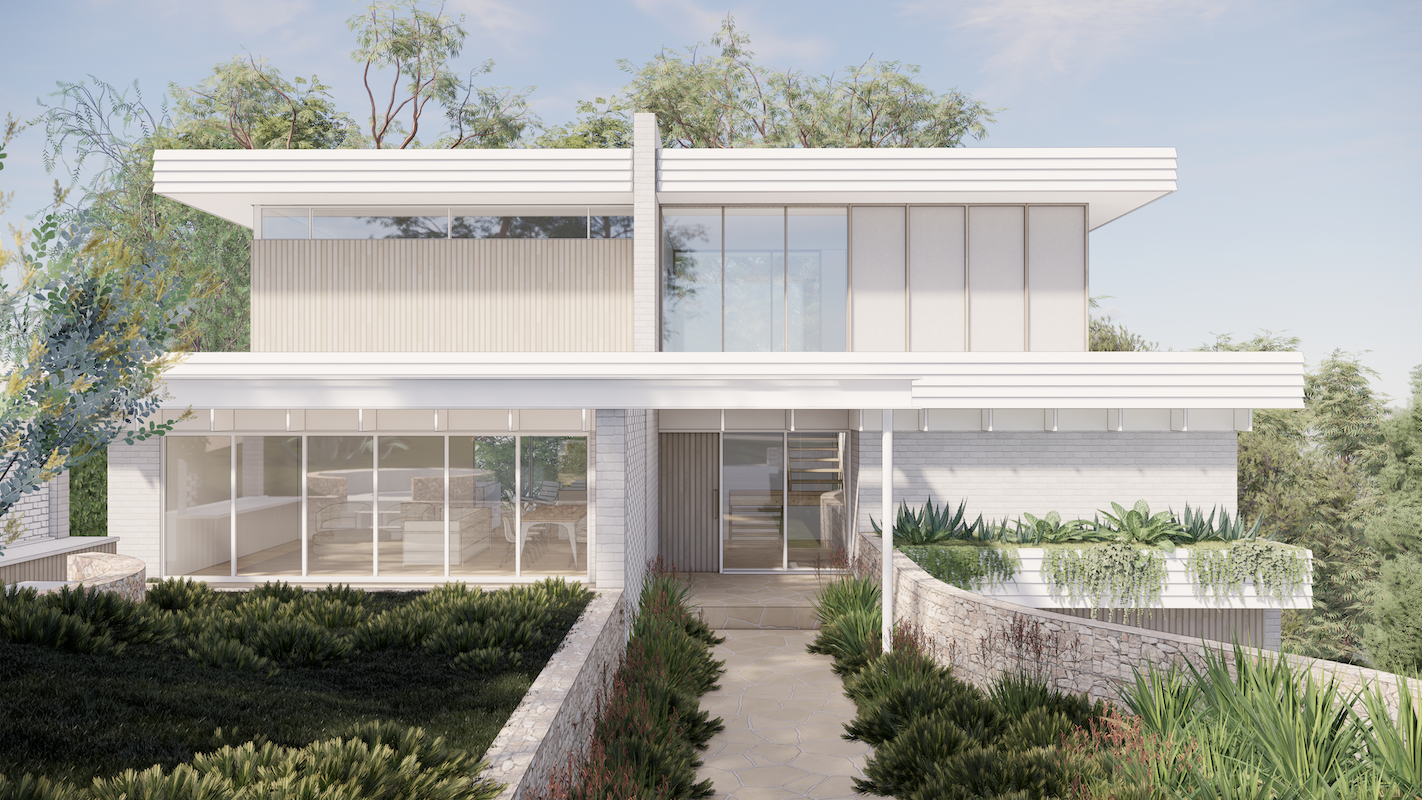
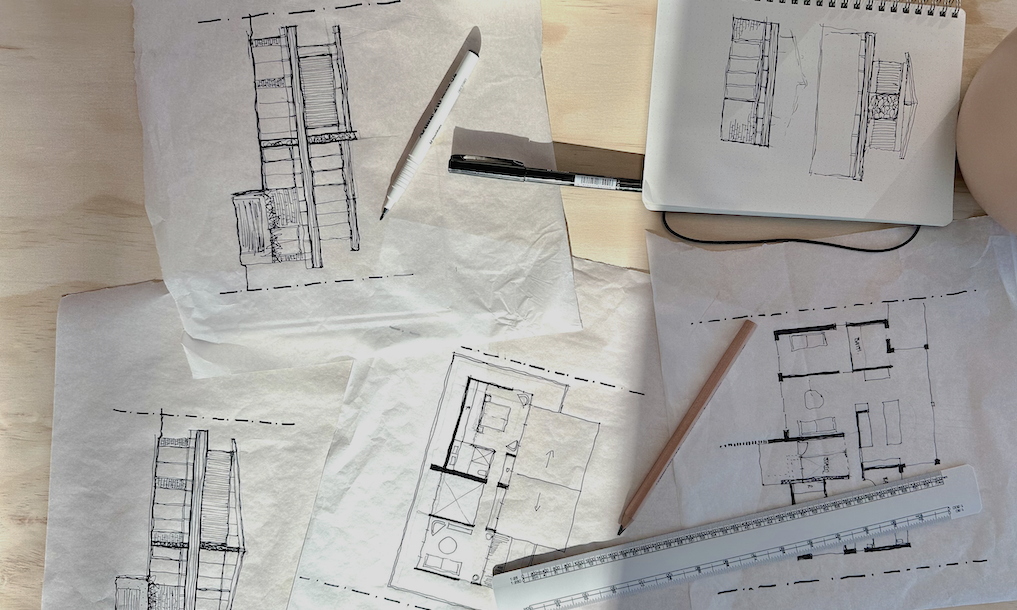
Dual Occupancy Design for Complex Sites
Designing a dual occupancy is rarely straightforward. For many homeowners, it involves navigating planning controls, approval pathways and site constraints long before design decisions can be confidently made.
At Elo Architecture, we work with homeowners considering well-considered dual occupancy projects on complex sites, where long-term outcomes, neighbourhood fit and design quality matter as much as feasibility.
Who this page is for
This page is for you if you are:
Exploring a dual occupancy option
Unsure whether your site is suitable
Navigating planning controls, zoning or overlays
Concerned about neighbourhood character, privacy and scale
Looking for early architectural guidance before committing
This approach is particularly suited to sites affected by:
Bushfire-prone land
Environmental or vegetation constraints
Slope, access or servicing complexity
Established suburban or semi-rural neighbourhood
Understanding dual occupancy on complex sites
While dual occupancy is sometimes perceived as a simple way to add value, many sites involve layers of complexity that influence what is genuinely achievable.
Factors that commonly affect dual occupancy feasibility include:
Minimum lot sizes, setbacks and building envelopes
Bushfire or environmental overlays
Existing dwelling placement and site access
Infrastructure, services and wastewater considerations
These constraints are not obstacles to design, but they must be understood early, as they shape siting, scale, layout and approval pathways from the outset.
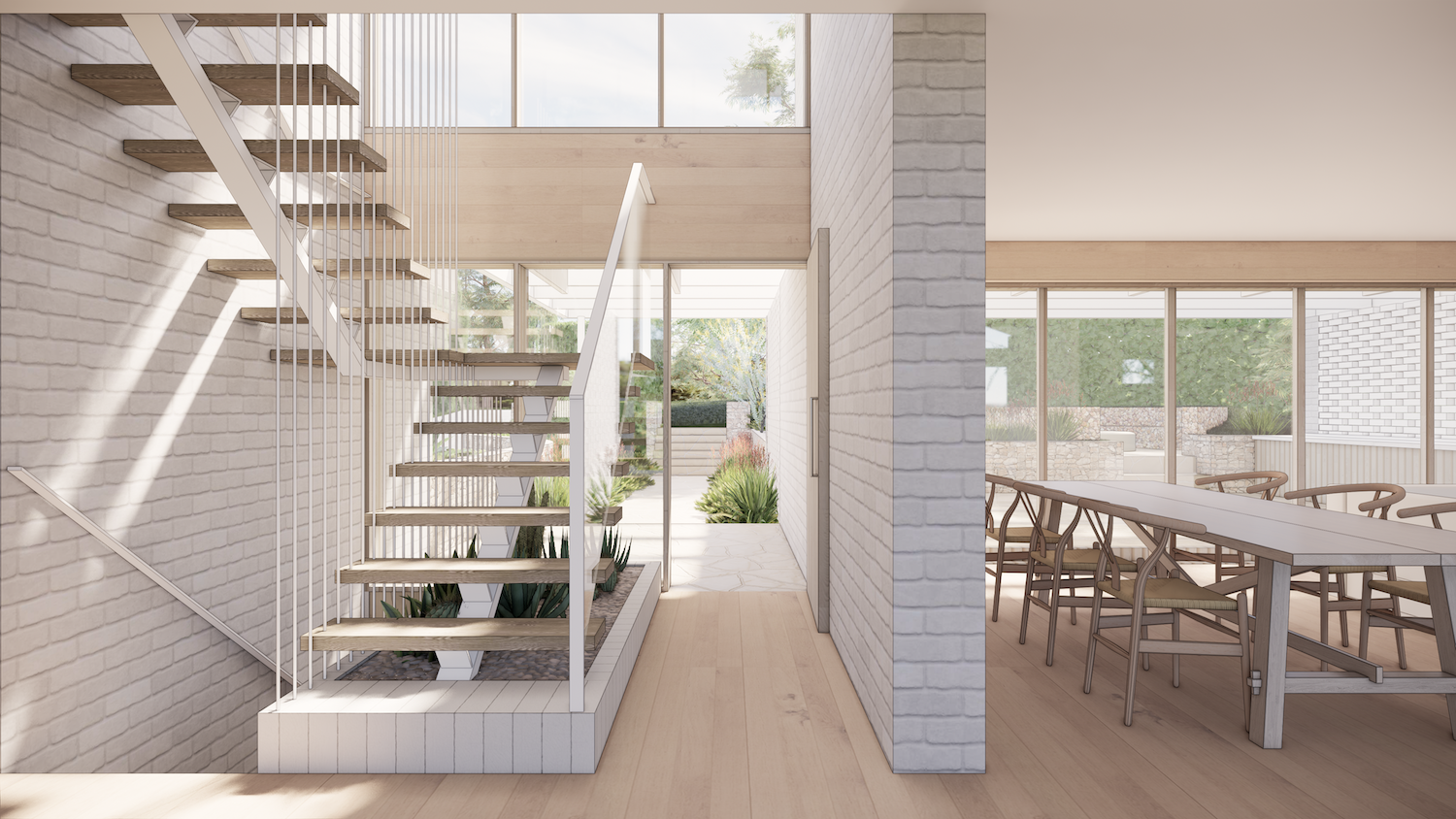
A well-designed dual occupancy should feel like a considered architectural response, not an overdevelopment.
Our approach prioritises:
Privacy between dwellings
Thoughtful massing and scale
Landscape as an integral design element
Clear separation of uses and entries
Respect for neighbouring properties and streetscape
These considerations are particularly important for retain-and-build projects, where one dwelling remains occupied and long-term liveability matters.
Design quality and neighbourhood fit
CDC or DA: which approval pathway applies?
One of the most common questions we hear is whether a dual occupancy can proceed under a Complying Development Certificate (CDC) or requires a Development Application (DA).
While some sites may meet CDC criteria, many dual occupancy projects require a DA, particularly where factors such as bushfire risk, slope, vegetation, neighbourhood sensitivity or planning controls apply.
Understanding the correct approval pathway early is critical, as it directly influences:
Design possibilities
Consultant requirements
Timeframes and cost expectations
Early advice can help avoid design work being undertaken on incorrect assumptions.
Common challenges we see with dual occupancy projects
Some of the most frequent issues arise when decisions are made too late or without sufficient context, including:
Assuming CDC is always the preferred pathway
Commencing design before confirming planning feasibility
Treating the second dwelling as an afterthought
Underestimating site and infrastructure costs
Prioritising floor area over privacy and amenity
Early architectural input helps address these issues before they become costly or restrictive.
Budget, builders and delivery approach
Dual occupancy projects often involve costs beyond construction alone, including site works, services, access upgrades and compliance requirements. Our role is to help clients understand these factors early and design within a realistic overall framework.
We work collaboratively with a range of builders and are equally comfortable engaging with a builder appointed by the client or assisting with recommendations where helpful. Clear documentation and coordination are key to a smooth delivery process.
What happens next
If you are considering extending or building a dual occupancy and would like clarity around your options, the next step is a conversation.
This initial discussion allows us to talk through your home, site, planning context and goals, and to understand whether our approach is the right fit for your project.
There is no obligation. The aim is simply to bring clarity early, so decisions feel informed and the path ahead feels considered rather than overwhelming.
Get in touch via the enquiry form to arrange an initial conversation.
Contact Us
Read our Related Articles:
Frequently Asked Questions
-
A dual occupancy involves two dwellings on a single lot, which may be attached or detached, depending on site conditions, planning controls and design intent.
-
Recent NSW planning reforms have expanded opportunities for dual occupancies in R2 (Low Density Residential) zones, allowing both attached and detached forms on eligible sites. While this has opened up potential across many suburbs, including areas within the Hornsby Council area, each site must still satisfy minimum lot requirements, environmental constraints and applicable development standards.
-
No. While zoning is an important starting point, not all R2 sites are suitable. Site slope, bushfire risk, minimum dimensions, access, servicing and existing buildings all influence feasibility. A preliminary assessment helps clarify whether a dual occupancy is achievable and what form it may take.
-
Yes, but sloping sites require careful planning. Site gradient influences building placement, access, retaining, drainage and construction cost. On steep sites, a well-considered design can help minimise excavation and integrate the buildings into the landscape, while still meeting council controls and amenity requirements.
-
Dual occupancies can be approved on bushfire-prone land, subject to a site-specific bushfire assessment. Early coordination with a bushfire consultant is essential to address setbacks, asset protection zones, building separation, materials and access. These factors often shape the design from the outset rather than being resolved later.
-
It depends on the site. Some dual occupancies may be approved under a Complying Development Certificate (CDC)where all State Environmental Planning Policy and local development standards can be met. Other sites—particularly those with steeper slopes, bushfire constraints or non-standard lot conditions—may require a Development Application (DA). Early advice helps determine the most appropriate approval pathway.
-
No. A dual occupancy and subdivision are separate planning outcomes. You can build a dual occupancy and retain the land on a single title, or you may choose to pursue subdivision as an additional step, depending on the site, planning controls and council requirements.
In some cases, subdivision may be supported alongside or following a dual occupancy. In others, it may not be permitted or may require a separate approval process. This varies between councils and sites.
-
Yes, in some cases existing dwellings can be retained and adapted as part of a dual occupancy. This depends on their location on the site, ability to meet current planning and bushfire requirements, and how they integrate with the proposed second dwelling.
-
A well-considered dual occupancy can offer flexibility for extended family living, rental income or future resale. Feasibility depends on site constraints, construction costs, approval pathway and market conditions. Early design and planning input helps clarify viability before significant costs are incurred.
-
Ideally at the very beginning—before purchasing a site or progressing too far with plans. Early involvement allows planning constraints, bushfire requirements and design opportunities to be assessed together, reducing risk and helping avoid costly redesigns later.
-
If you’re considering a dual occupancy and want clarity before moving forward, our Design Discovery service offers early advice on site suitability, planning controls, approval pathways (CDC or DA), subdivision potential and initial design strategies—giving you confidence to proceed.
Many homes have more potential than first meets the eye. Learn how alterations and additions can transform your home through better layout, light and connection, offering a smarter and more sustainable alternative to rebuilding.