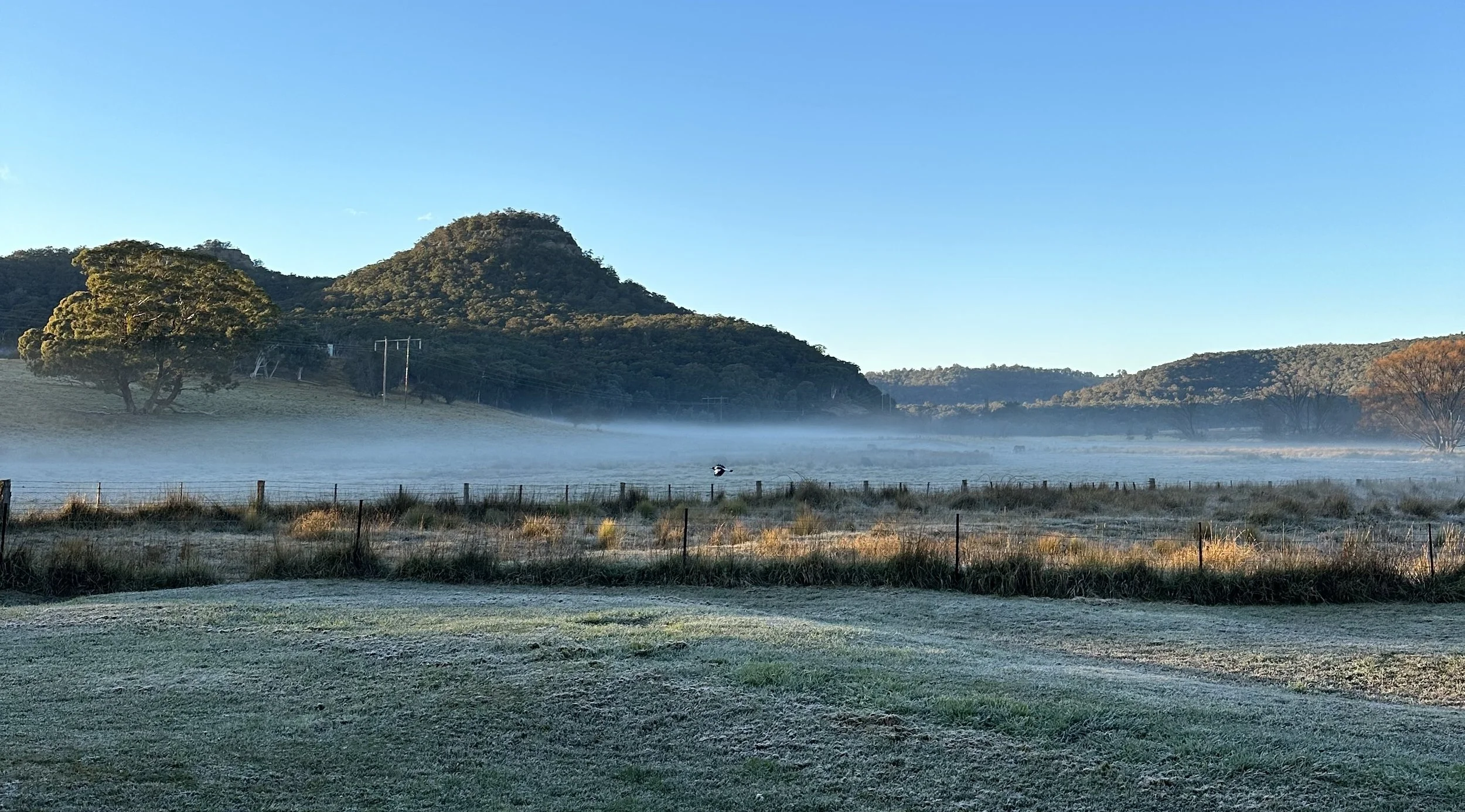
Acreage Home Design
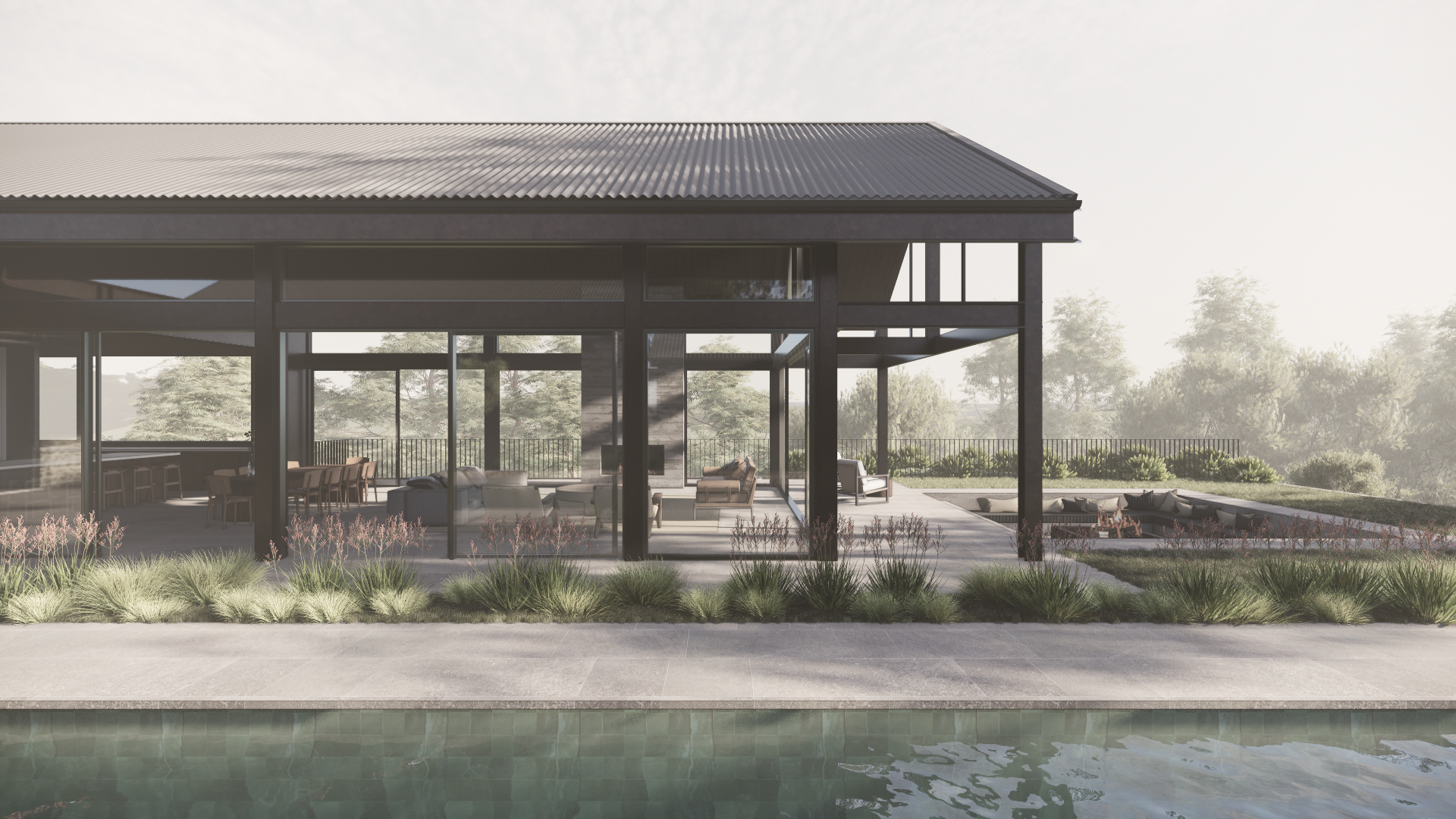
Galston House
Living on acreage or in a rural setting offers something increasingly rare: room to breathe. Wide open spaces, expansive outlooks, and the freedom to design without the tight constraints of suburban blocks allow homes to respond more honestly to their surroundings. But with this freedom also comes complexity. Acreage and rural home design is about far more than simply placing a house in the middle of a paddock. It requires careful thought to balance lifestyle, landscape, and long-term performance.
A successful rural home feels calm and effortless, but that simplicity is underpinned by strong planning, technical understanding, and respect for the land.
Embracing the Rural Landscape
The starting point for rural design is always the site itself. Orientation, slope, prevailing winds, access, and views all play a critical role in shaping the design. A well-considered acreage or country home responds to these conditions by capturing northern light, framing long-distance views, and creating sheltered outdoor spaces protected from wind and harsh sun.
Rather than dominating the landscape, good rural design works with it. Buildings are positioned to sit comfortably within the landform, often following contours or opening toward existing vegetation, ridgelines, or paddocks. The result is a home that feels grounded, purposeful, and truly connected to its setting.
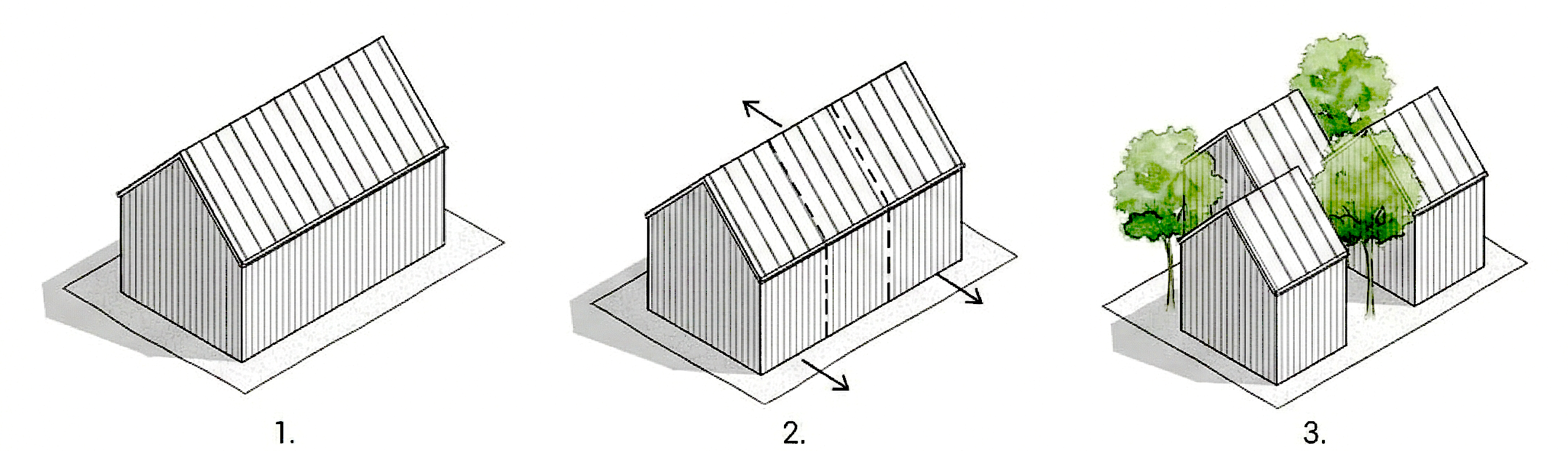
The Pavilion Approach
On larger rural properties, a single large building can feel imposing or disconnected from its surroundings. For this reason, many successful modern acreage homes adopt a pavilion-style layout — a series of connected volumes or wings linked by breezeways, courtyards, or glazed walkways.
This approach breaks the home down into a more human scale, allows clear separation of uses (living, sleeping, working, guest accommodation), and improves cross-ventilation and daylight access. It also creates moments of pause between spaces, strengthening the connection between indoor and outdoor living while allowing the home to evolve over time.
Indoor - Outdoor Living
Rural living is defined by the outdoors. Generous verandahs, covered decks, outdoor kitchens, and sheltered courtyards are not add-ons, they are essential parts of daily life. These spaces allow families to live outside for much of the year, whether it’s casual meals, entertaining, or simply enjoying the changing light and seasons.
In rural settings, good design also considers microclimates. Outdoor areas are positioned to avoid strong winds, capture winter sun, or provide shade from late afternoon heat. This ensures outdoor spaces are genuinely usable year-round, not just visually appealing.
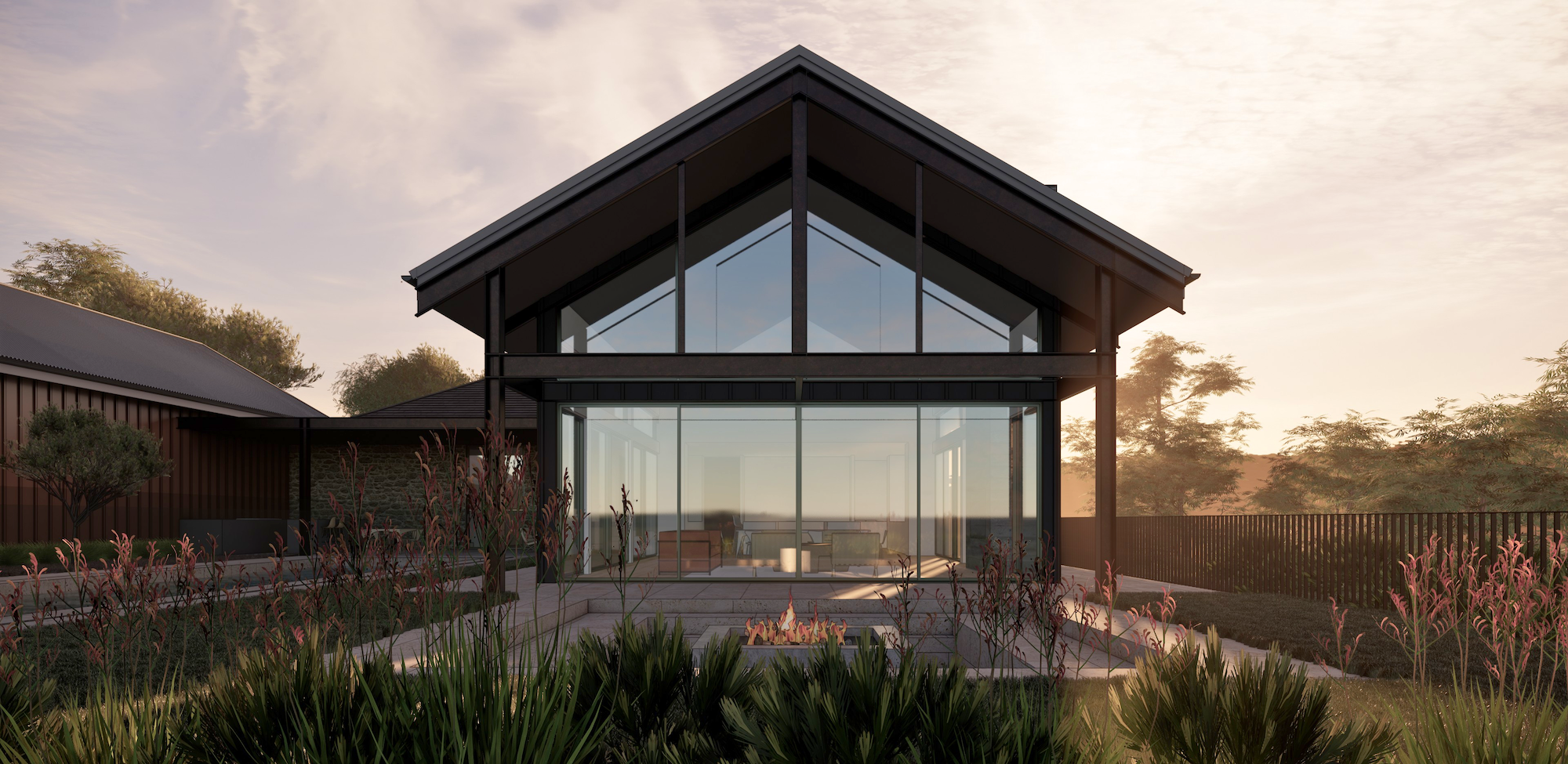
Galston House
Materials for Rural Homes
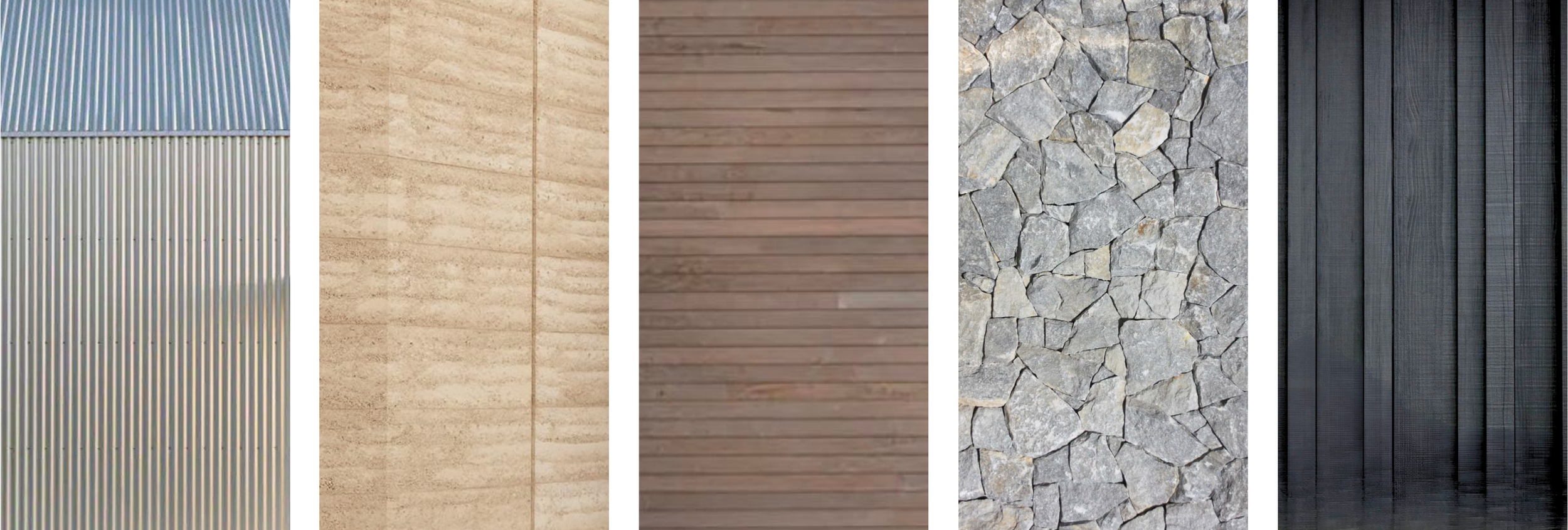
Material selection plays a crucial role in how an acreage home feels and performs over time. In rural settings, materials must do more than look good, they need to weather well, respond to the climate, and sit comfortably within the landscape.
Natural and robust materials are often well suited to acreage homes. Stone, brick, concrete, timber, and metal can all be used in a restrained and considered way, drawing colour and texture from the surrounding environment. Materials that age gracefully, developing patina rather than deteriorating, help a home feel established rather than imposed.
Durability and low maintenance are also key considerations, particularly for homes exposed to sun, wind, dust, and bushfire conditions. Thoughtful detailing, appropriate finishes, and careful junctions between materials ensure longevity and reduce ongoing upkeep.
Internally, material choices often balance warmth with robustness. Timber, stone, and textured finishes create a sense of calm and connection to the outdoors, while practical surfaces support everyday family life. The aim is cohesion with materials that feel honest, purposeful, and consistent with the rural context.
Healthy Homes & Sustainable Design
A well-designed home supports health and wellbeing in ways that are often felt rather than seen. Natural light, fresh air, thermal comfort, quiet spaces, and a strong connection to nature all influence how we live, rest, and relate to one another. On acreage sites, these principles can be integrated from the outset through careful orientation, passive design, and considered material choices — creating homes that are comfortable, resilient, and supportive of everyday life.
For many rural projects, this also includes biophilic design principles, which strengthen the connection between home and landscape through light, planting, materiality, and outlook.
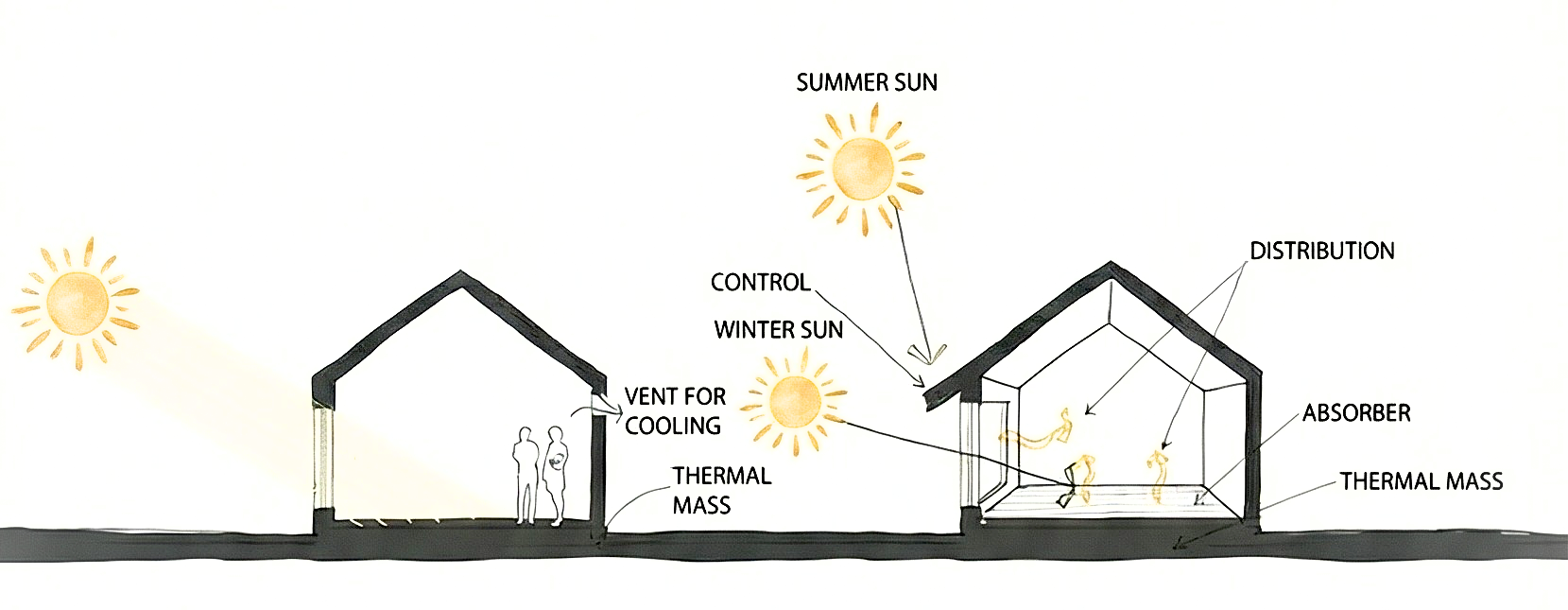
Passive Design Principles
Practical Considerations in Rural Design
Designing for acreage or rural sites involves far more than aesthetics. A successful outcome depends on addressing a range of functional, regulatory, and lifestyle factors early in the process:
Access & Movement
Rural properties often need to accommodate a range of vehicles beyond standard cars. Driveways, turning circles, and gates must allow for bushfire service trucks, delivery vehicles, farm machinery, and, in some cases, horse floats or trailers. Thoughtful planning ensures safe access, efficient movement around the site, and compliance with bushfire and emergency requirements, without compromising the overall design.Bushfire & Environmental Constraints
Many rural sites are affected by bushfire risk, biodiversity overlays, or sensitive landscapes. BAL ratings, asset protection zones, and environmental setbacks directly influence building placement, form, and material selection. Early coordination of these requirements helps create a design that is both compliant and considered.Utilities & Services
Rural homes often rely on on-site infrastructure such as water tanks, wastewater systems, solar arrays, backup power, and pumps. Integrating these elements discreetly into the design avoids visual clutter and ensures the property functions efficiently in everyday use.Landscape & Outdoor Amenities
Landscaping plays a critical role in how an acreage property is experienced. Beyond gardens, rural landscapes often include large open lawns, productive planting, windbreaks, and defined outdoor zones. Swimming pools, tennis courts, fire pits, and outdoor entertaining areas need careful siting to balance privacy, views, safety, and long-term maintenance, while responding to sun, wind, and topography.Outbuildings & Facilities
Sheds, workshops, farm buildings, and equestrian facilities are often essential components of rural living. These structures should be planned as part of an overall master plan, ensuring they are practical, durable, and visually cohesive with the main residence.Staging & Future Growth
Acreage properties are frequently developed over time. Designing with future buildings, infrastructure, or landscape works in mind helps avoid costly rework and ensures the property can evolve as needs change.
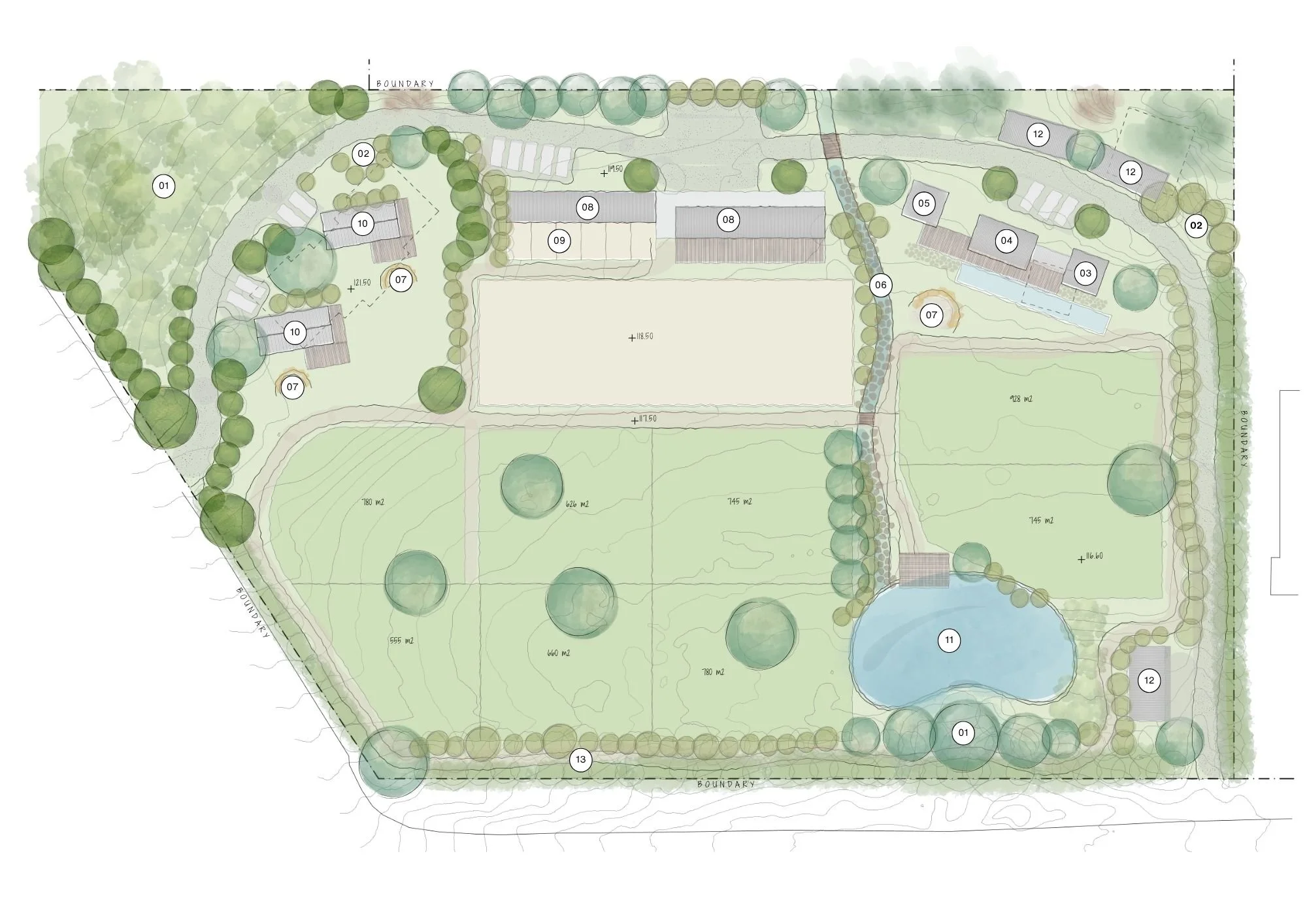
Bayview - Master Plan
Equestrian Properties
Equestrian properties bring an additional layer of complexity and opportunity to acreage design. Beyond the home itself, careful planning is required for stables, arenas, paddocks, wash bays, feed rooms, and vehicle access, all while managing drainage, soil conditions, and horse welfare. Orientation and layout are critical, arenas must consider sun, wind, and surface longevity, while stables should balance shelter, ventilation, and daily efficiency. A considered equestrian master plan ensures these elements work together seamlessly, integrating built form with the landscape and creating a property that supports both the practical demands of horse care and the lifestyle aspirations of its owners.
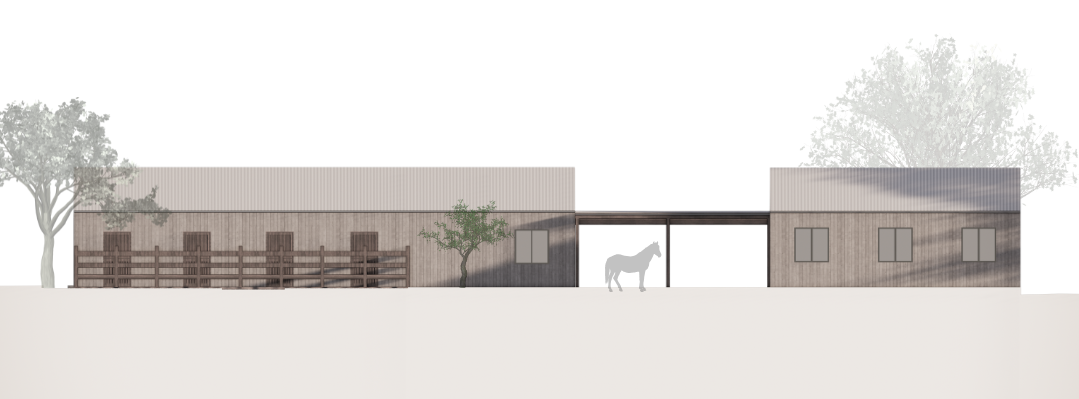
Bayview - Stables Elevation
A Lifestyle Investment
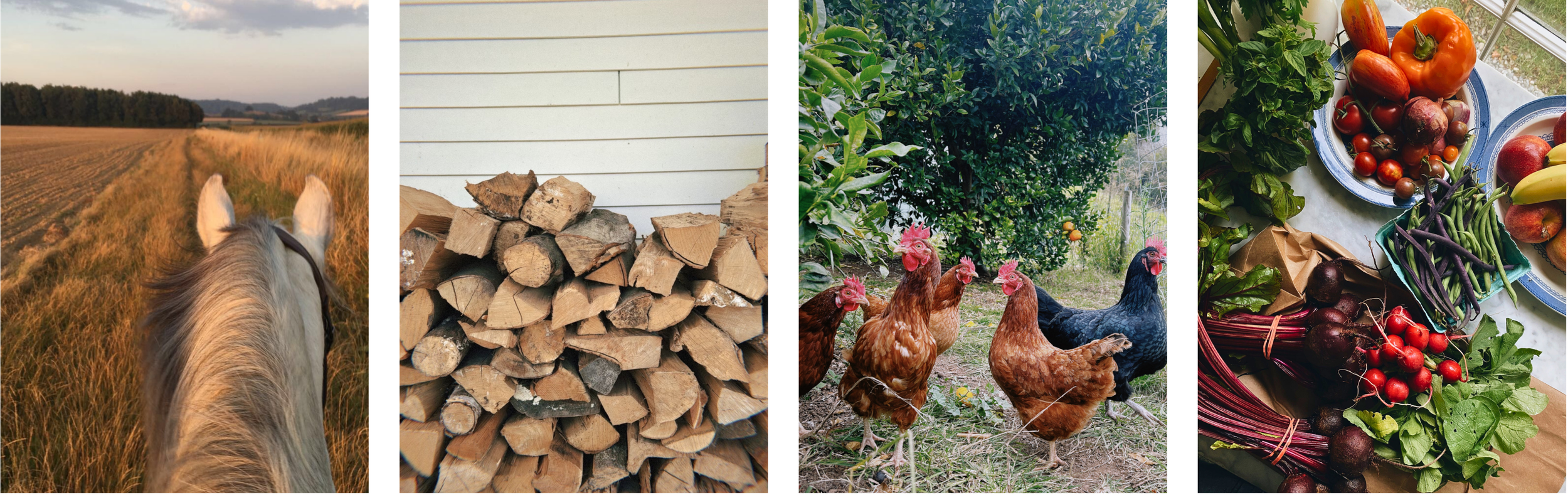
An acreage or rural home is more than a house, it’s a long-term lifestyle investment. Families choose rural living for space, privacy, connection to nature, and the flexibility to live in a way that suits them, whether that means keeping horses, growing food, working from home, or simply enjoying the quiet.
Thoughtful rural design enhances this lifestyle, creating homes that feel expansive yet intimate, robust yet refined.
At Elo Architecture, we see acreage and rural projects as an opportunity to combine modern comfort with a deep respect for the land. Whether it’s a new home, a shed, a farm building, or equestrian facilities, we tailor each design to the site and the people who will live there. The result is a home and property that are as practical as they are inspiring.