Why We Often Start With a Master Plan
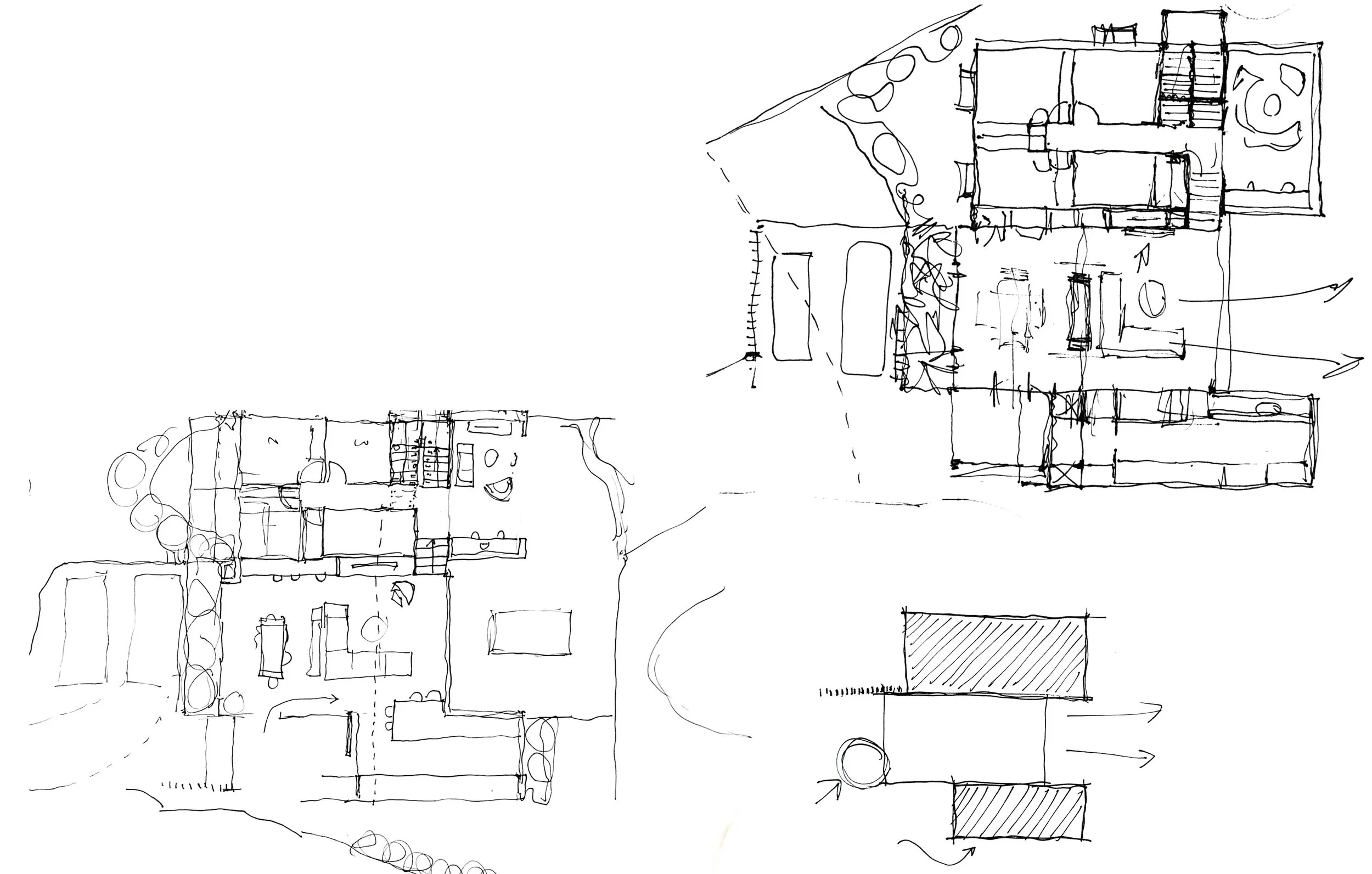
One of the most common situations we encounter is homeowners arriving with a long list of aspirations for their property and a budget that won't allow everything to happen at once.
They may want to renovate the kitchen, improve the connection to the garden, add bedrooms, create a home office, build a pool, update the landscaping and improve storage throughout the house.
Often, every item on the list is valid.
The challenge is that they all compete for the same budget.
At this point, many homeowners feel stuck. They know what isn't working, they know where they would like to end up, but they don't know what should happen first.
Looking Beyond the Immediate Project
One of the first questions we ask clients is:
"What would you love this property to become in five or ten years?"
Not because we expect them to build everything now, but because understanding the long-term vision helps us make better decisions today.
We regularly work with families who have a budget for one stage of work but a much larger vision for their home.
Rather than treating each project as an isolated exercise, we prefer to understand the bigger picture first.
This allows us to identify:
What should happen now
What can wait
What should be planned for
Which decisions will influence future stages
Where the budget will have the greatest impact
In many cases, this results in a staged master plan that allows the project to evolve over time.
Exploring More Than One Path Forward
Another important part of the process is testing different approaches before committing to a direction.
Many homeowners come to us with a solution already in mind:
"We should extend here."
"We need another storey."
"The living room should move over there."
Sometimes they're right.
Sometimes there is a better option.
One of the most valuable things we can do as architects is challenge assumptions and explore alternatives.
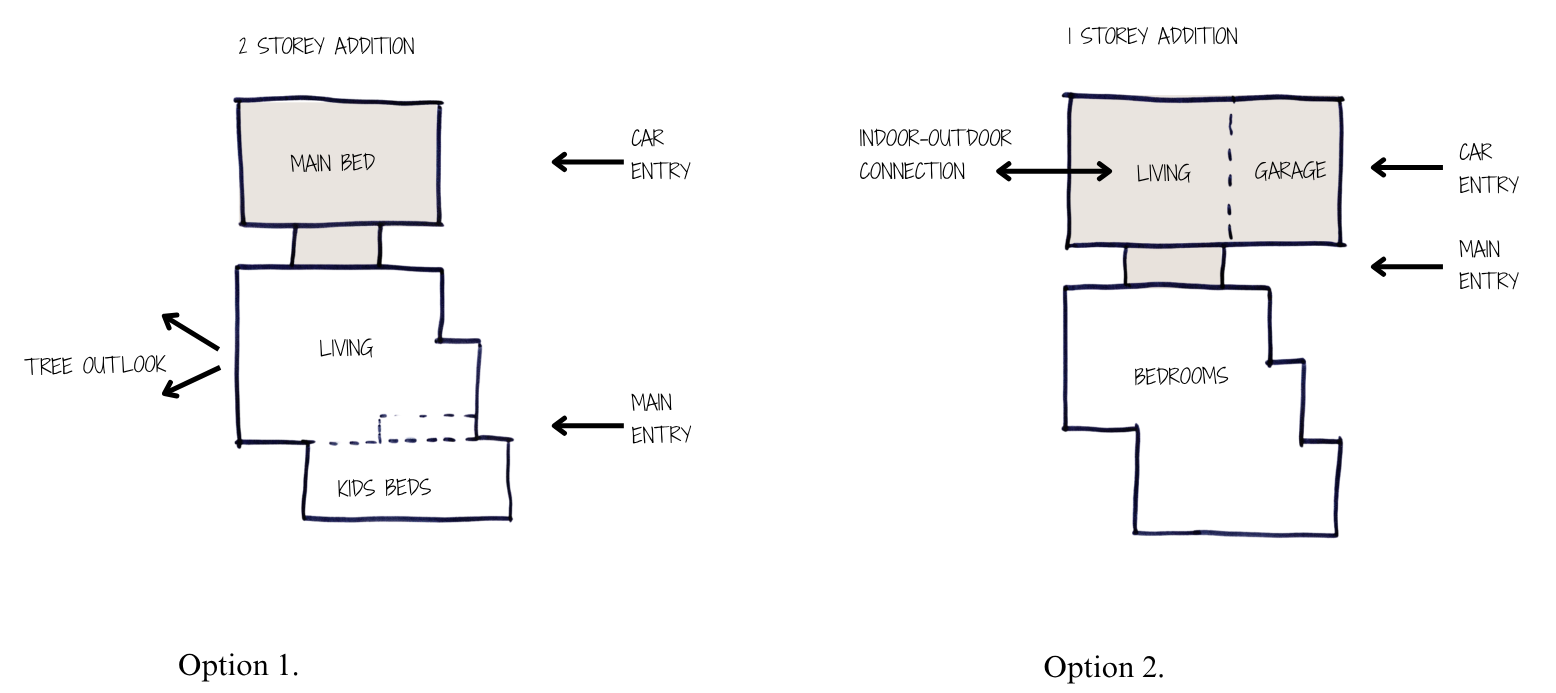
On a recent project, we explored multiple ways of achieving a similar brief. One option prioritised views and future expansion opportunities, while another created a stronger connection between the living spaces and the garden. Both addressed the client's needs, but each offered different benefits, costs and staging opportunities.
Neither option was right or wrong.
The process helped the clients understand the trade-offs and make an informed decision about what mattered most to them.
Often, this clarity is just as valuable as the design itself.
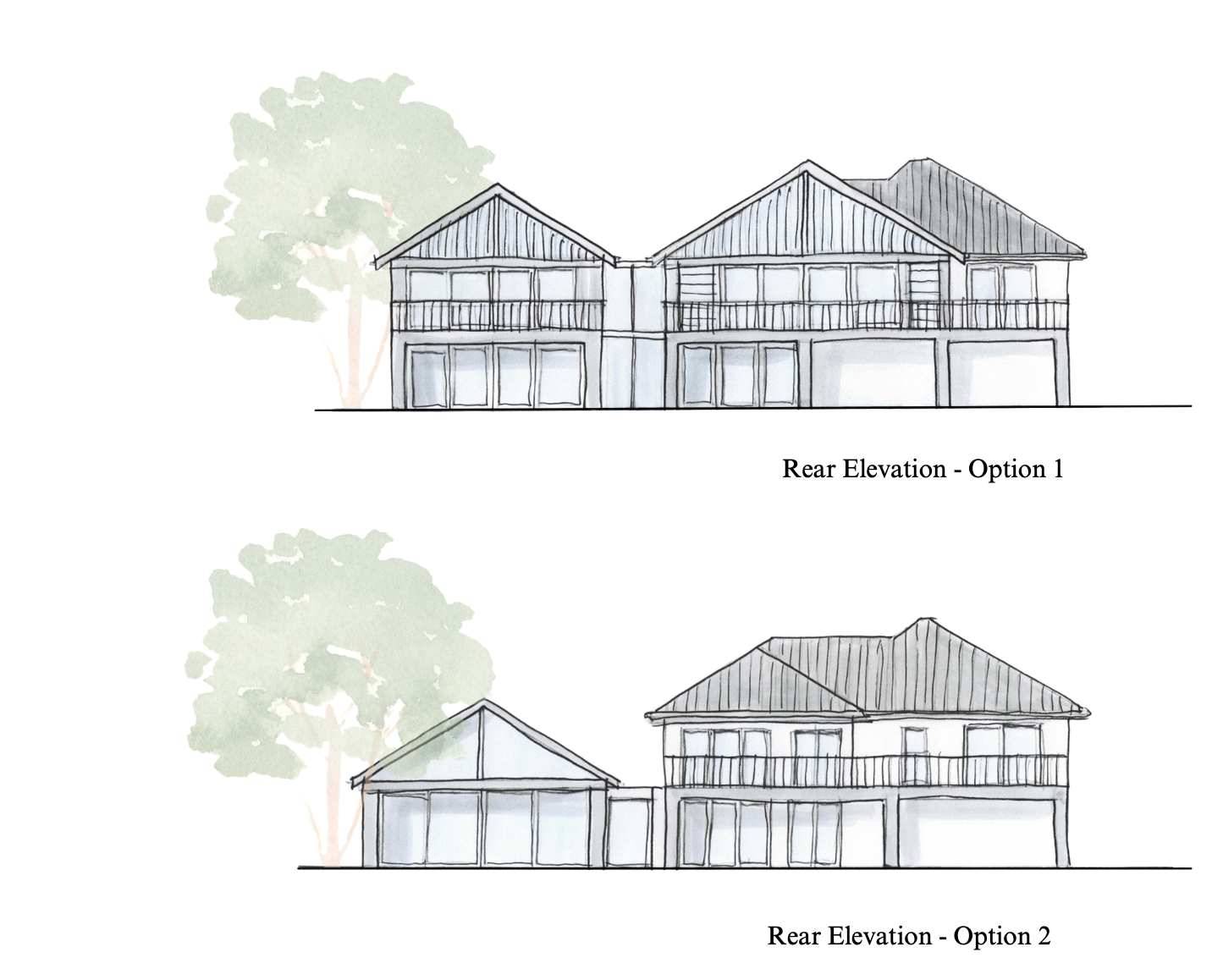
Sketch elevations exploring alternative approaches to the same brief. Testing multiple options early helps identify the strengths, trade-offs and long-term opportunities associated with each design direction before moving into detailed design.
Staging Is Not About Compromise
Many people hear the word "staging" and assume it means reducing the scope or giving up on parts of the vision.
In reality, it is often the opposite.
A well-considered master plan allows homeowners to maintain an ambitious long-term vision while making sensible decisions about what should happen first.
It provides a roadmap that can respond to changing budgets, priorities and family needs without losing sight of the bigger picture.
Most importantly, it helps avoid spending money on work that may later need to be altered or undone.
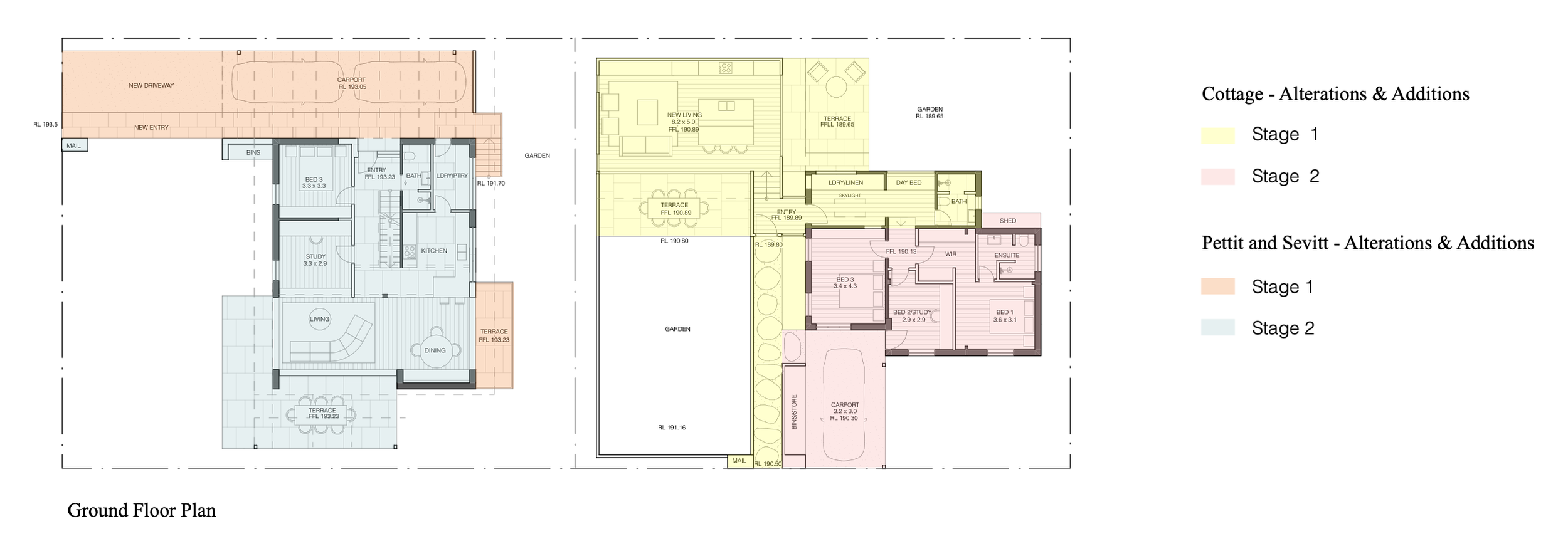
Staging diagrams for our Mount Kuring-gai project
Creating Clarity
One of the biggest benefits of a master plan is not the drawings themselves. It is the clarity that comes from having a roadmap.
Many clients come to us feeling overwhelmed. They have a long list of ideas, competing priorities and a limited budget. They know their home could work better, but they are unsure where to begin.
A master plan helps bring these moving parts together into a clear strategy. Once there is an agreed direction, decisions become easier. Clients gain confidence in what should happen now, what can wait and how each stage contributes towards the bigger picture.
Rather than feeling overwhelmed by everything that needs to be done, they can focus on the next step knowing it forms part of a well-considered long-term plan.
Start With the End in Mind
The budget may determine what happens today.
The master plan helps ensure today's decisions support tomorrow's vision.
Whether it's a family home, an acreage property or a complex renovation, we have found that the most successful projects begin with a clear understanding of where the owners ultimately want to go, even if they only take the first step today.