
Building on Acreage: What Clients Tend to Underestimate
There is often a moment early in a project where a client looks at their land and sees potential.
A generous site. Space to move. The freedom to create something that feels connected to the landscape.
On the surface, it can feel simpler than a suburban block. There is more room, fewer immediate neighbours, and often an existing house that can be adapted or extended.
But in reality, acreage sites are rarely simple.
What many owners underestimate is not the design itself, but everything that sits around it.
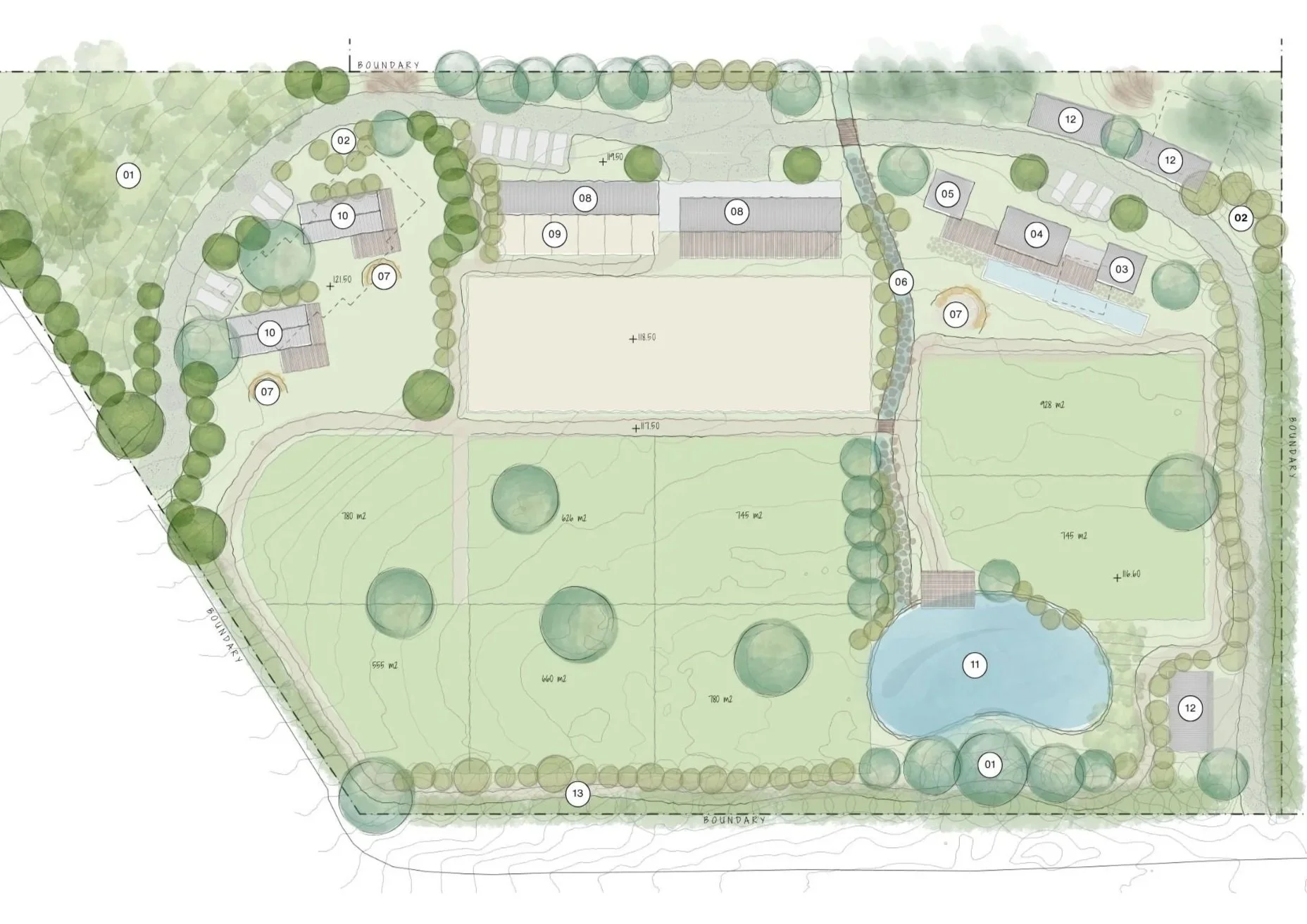
Initial Master Plan for our Bayview Acreage Project
The site is rarely “neutral”
Unlike a typical suburban block, acreage sites tend to come with layers of environmental and planning constraints.
Bushfire requirements, drainage lines, existing vegetation, slope, access and rural zoning all play a role in shaping what can be built and where. These constraints are not always obvious at first glance, and often only become clear once investigations begin.
It is not unusual for a site that appears open and flexible to have very specific conditions attached to it.
The design process becomes less about placing a building on the land, and more about carefully responding to what is already there.
The design is only one part of the process
For many clients, the design feels like the main milestone. Once a layout is agreed, it can seem like the project should move quickly towards submission.
On acreage sites, this is rarely the case.
Before a Development Application can be lodged, the design typically needs to be coordinated with a number of specialist consultants. This may include a planner, ecologist, bushfire consultant, stormwater engineer or geotechnical engineer, depending on the site.
Each consultant brings a different lens to the project, and their input can influence the design in subtle or significant ways.
Rather than a linear process, the pre-submission phase becomes iterative. The design evolves as more information becomes available, and decisions are tested against technical requirements.
This is a critical part of the process, but it is often the least visible.
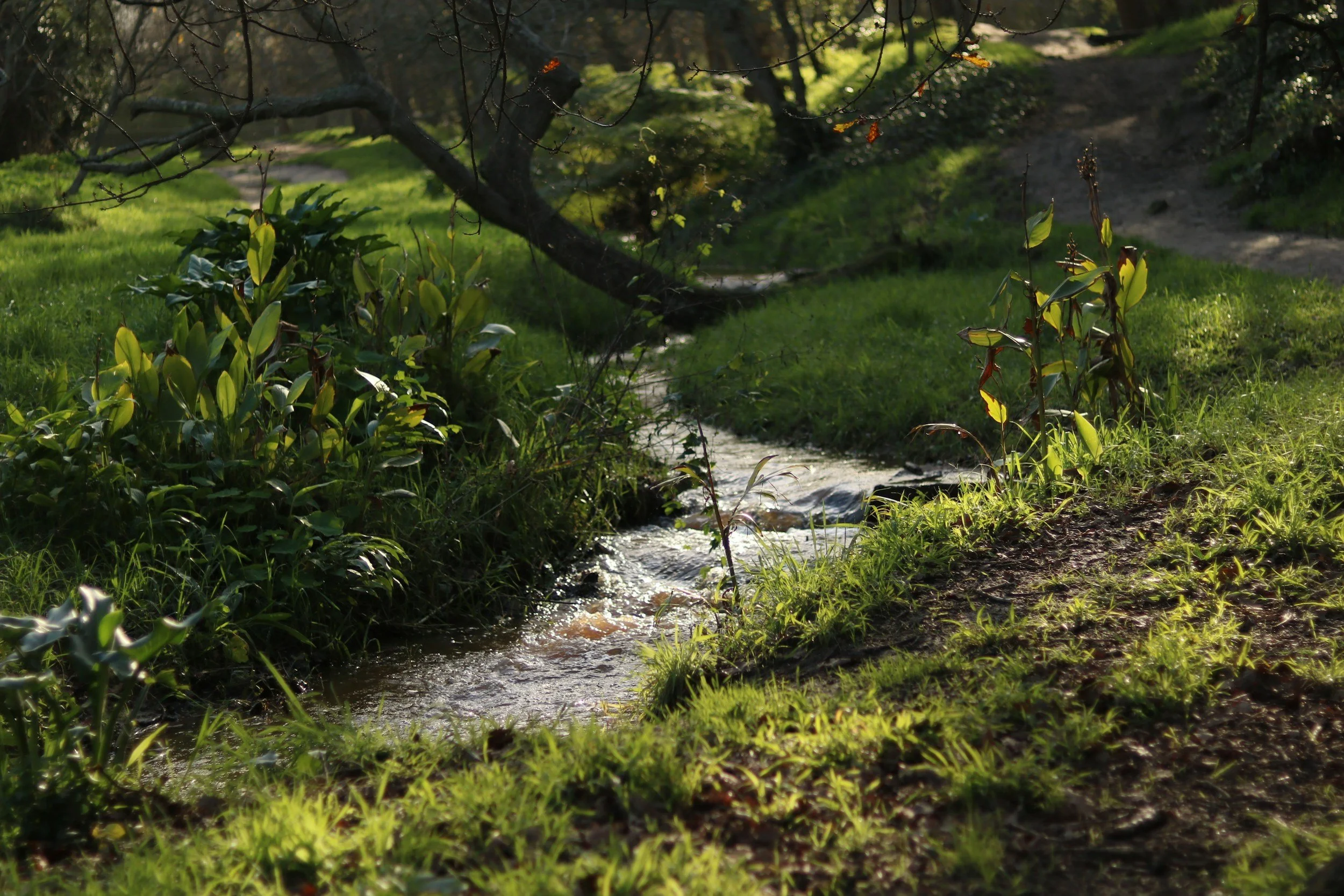
Flora and Fauna assessments are often required for acreage projects
Timeframes are driven by coordination
One of the most common frustrations for owners is the time it takes to reach submission.
While the design itself may progress efficiently, the overall timeline is often shaped by how quickly consultant input can be gathered, reviewed and coordinated.
Reports need to be prepared, recommendations need to be aligned, and occasionally, elements of the design need to be adjusted in response.
This is not a delay in the usual sense. It is the process of reducing risk before the application is lodged.
Projects that invest this time upfront tend to move more smoothly through Council assessment.
Coordination is a significant part of the work
Another aspect that is often underestimated is the level of coordination required.
Managing multiple consultants involves more than simply passing information between parties. It requires reviewing technical reports, identifying overlaps or conflicts, and ensuring that all documentation is consistent and aligned.
In many cases, there is no single “correct” answer, and part of the role of the architect is to balance competing requirements while maintaining the integrity of the design.
On more complex sites, this coordination becomes a substantial component of both time and cost.
The value of early coordination
One of the less visible benefits of a well-coordinated process is the potential to reduce costs later in the project.
On acreage sites, decisions made early can have a significant impact on construction requirements. A common example is bushfire compliance. The positioning of a building, the management of vegetation and the extent of asset protection zones can all influence the Bushfire Attack Level (BAL) rating applied to a project.
A small adjustment to the siting or layout at the right time can result in a lower BAL rating, which in turn can reduce construction costs through less onerous building requirements.
This is not something that happens by chance. It requires coordination between the architect, bushfire consultant and other members of the team from an early stage.
Rather than reacting to constraints, the process becomes one of working with them to achieve a more efficient outcome.
You can read more about this in our article on designing in bushfire-prone areas.
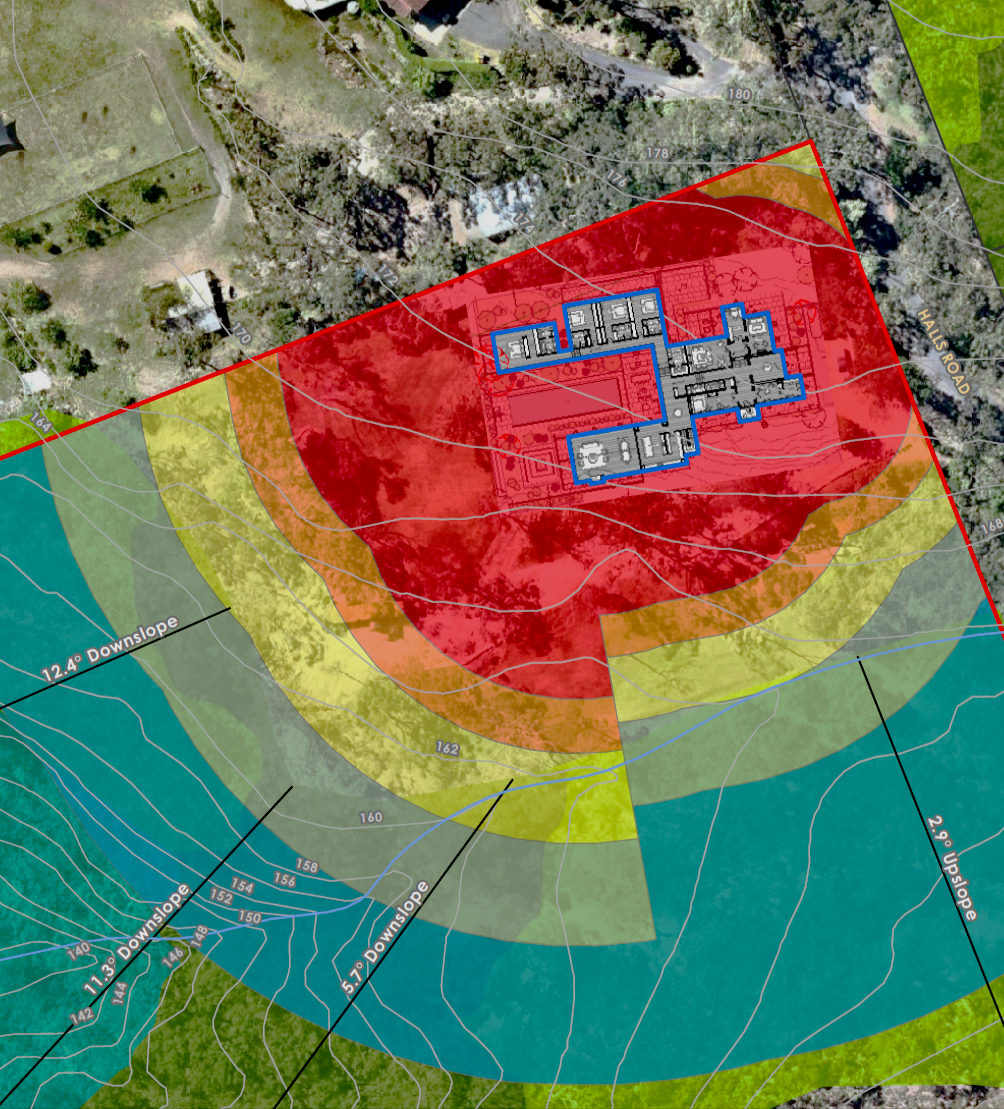
Bushfire overlay for our Galton House
Complexity can lead to better outcomes
While these layers can feel demanding, they are not necessarily a negative.
Acreage projects often lead to more considered and site-responsive architecture. Constraints can sharpen decision-making and encourage solutions that are more connected to the landscape.
The most successful projects are not those that ignore the site, but those that work with it.
A different mindset
Approaching an acreage project requires a slightly different mindset.
It is less about speed and certainty, and more about understanding, testing and refining. The process may take longer than expected, and involve more input than initially anticipated, but it is also what allows the project to be resolved with confidence.
For owners, understanding this early can make a significant difference to how the process feels.
For architects, it is where the real work begins.