
Benefits of Alterations and Additions: Working With What You Already Have
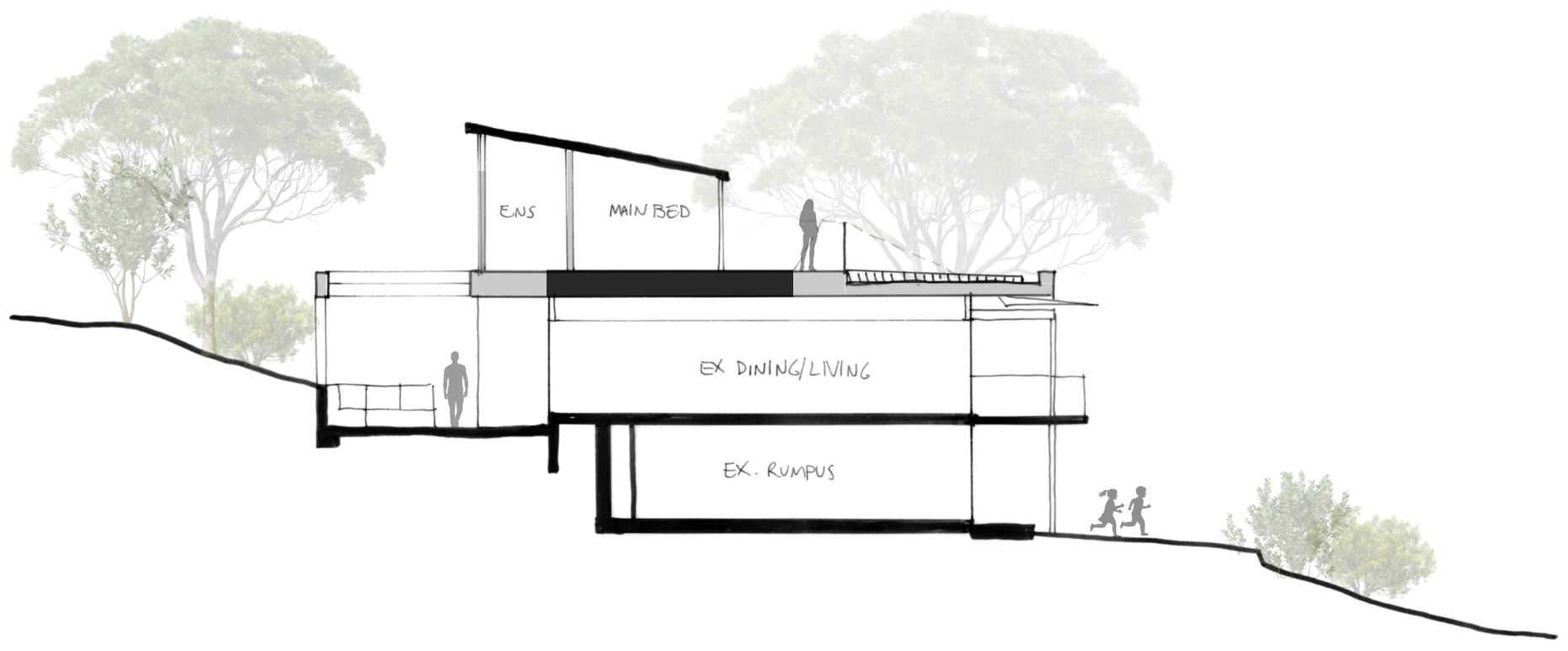
We are seeing more and more homeowners consider knock-down rebuilds when looking to improve their homes. Many come to us for a feasibility study, comparing alterations and additions with the option of building a new home.
What we often see is that starting again does not necessarily lead to a better outcome. In many cases, a more thoughtful approach is to work with what is already there, building on it in a way that improves how the home functions, feels, and connects to its surroundings.
Alterations and additions offer a way to achieve this, while retaining the qualities that give a home its character and connection to place, often at a lower cost than a full knock-down rebuild.
Seeing What’s Already There
Many homes have more potential than first meets the eye.
Behind dated finishes or awkward layouts, there is often a solid structure, a strong relationship to the site, established gardens, and spaces that can be reimagined rather than removed.
Alterations and additions allow you to make the most of this potential rather than starting from scratch. The result is often a home that feels both new and familiar, grounded in its place while transformed in how it works.
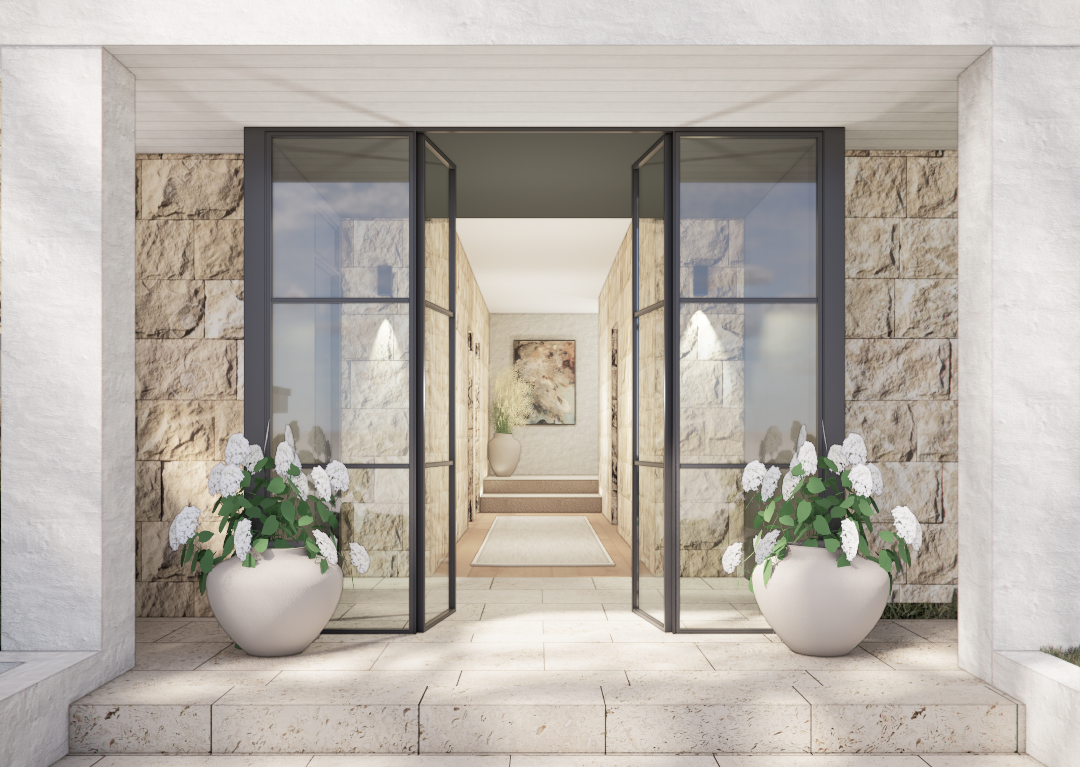
Mosman House - New lower ground floor entry to previously unused underhouse space
Small Changes, Meaningful Transformation
In many homes, not everything needs to change.
Often, the bedrooms and more private areas already function well. The opportunity lies in rethinking the living spaces, how they connect, how they feel, and how they relate to the outdoors.
This can sometimes be achieved through targeted interventions rather than large-scale demolition. For example, removing internal walls to open up living areas, introducing a new pavilion to extend the home into the garden, or reworking the roof to create more generous ceiling heights and bring in natural light.
Even relatively small changes can have a significant impact. In one of our recent projects, removing two internal walls allowed us to completely transform the flow of the home, improving connection between spaces and bringing more light into the living areas.
These types of moves can reshape how a home is experienced, without requiring a complete rebuild.
A More Considered Use of Budget
One of the key advantages of renovating is the ability to focus investment where it matters most.
Rather than rebuilding everything, elements that already work can be retained — avoiding unnecessary demolition and the costs associated with removing and replacing structure that still has value.
This allows the budget to be directed toward key living areas, improving light, flow, and connection to outdoor spaces.
The result is often a more efficient and controlled use of budget, particularly when the existing home has good bones.
Planning Your Renovation in Stages
Renovating an existing home also allows for a more staged approach over time.
Rather than committing to a full rebuild, alterations and additions allow for a more measured approach — prioritising what is needed now, while planning future stages as budgets and requirements evolve.
This can reduce financial pressure and provide greater flexibility, particularly for growing families or clients planning to remain in their home long-term.
It also often leads to better outcomes. Early stages are built, lived in, and understood, informing future decisions in a way that is not possible when everything is designed and constructed at once.
This is an approach we regularly explore in our projects, particularly on more complex sites or when working within an existing structure.
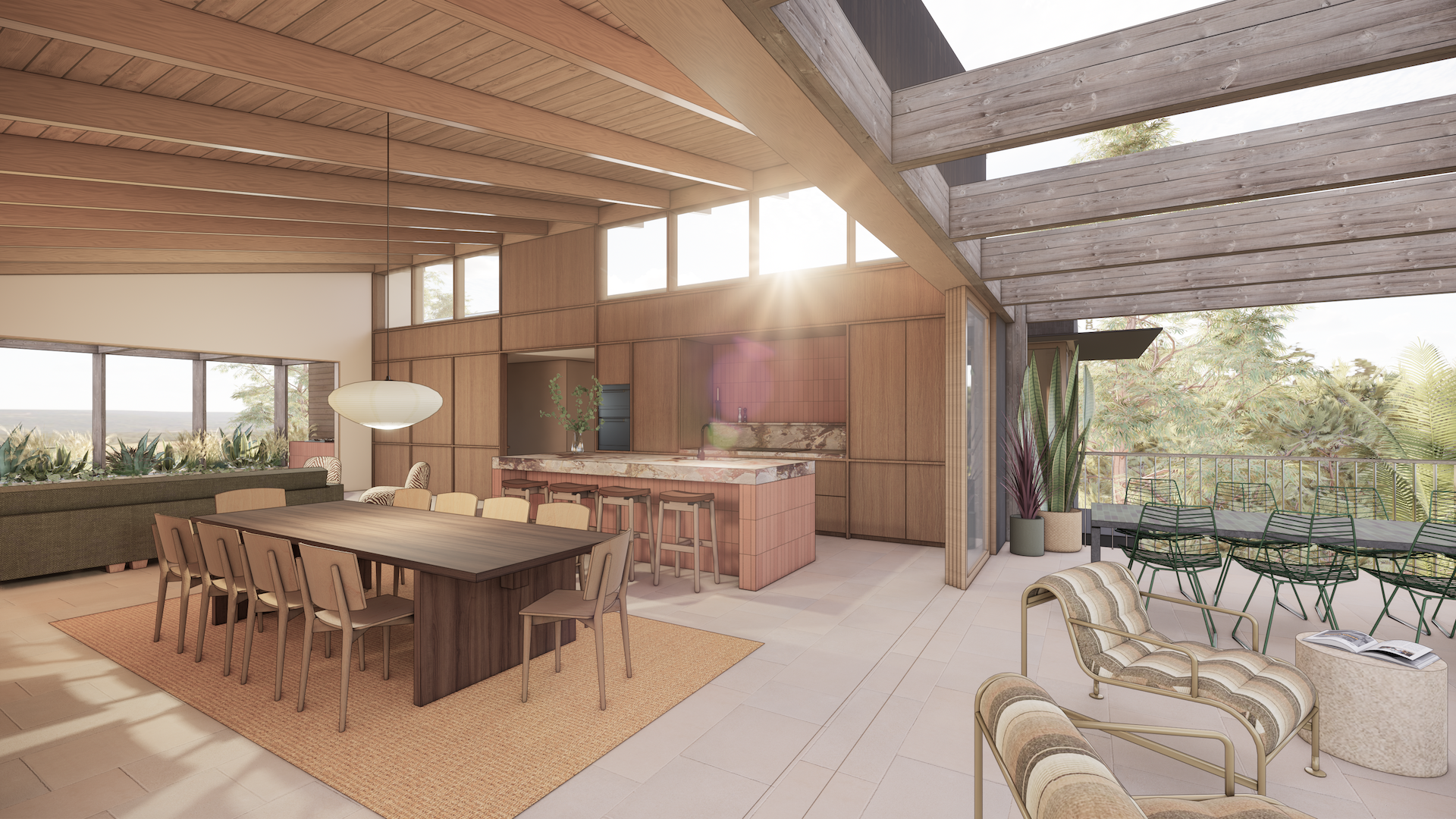
Narrabeen House - Improving connection between living, kitchen and balcony
A More Sustainable Approach
Renovating is inherently more sustainable.
By working with the existing home, you retain embodied energy within the structure and reduce demolition waste. You can also upgrade performance where it matters most, improving comfort and efficiency over time.
Sustainability is not just about materials. It is about making thoughtful decisions about what to keep, what to improve, and what to change.
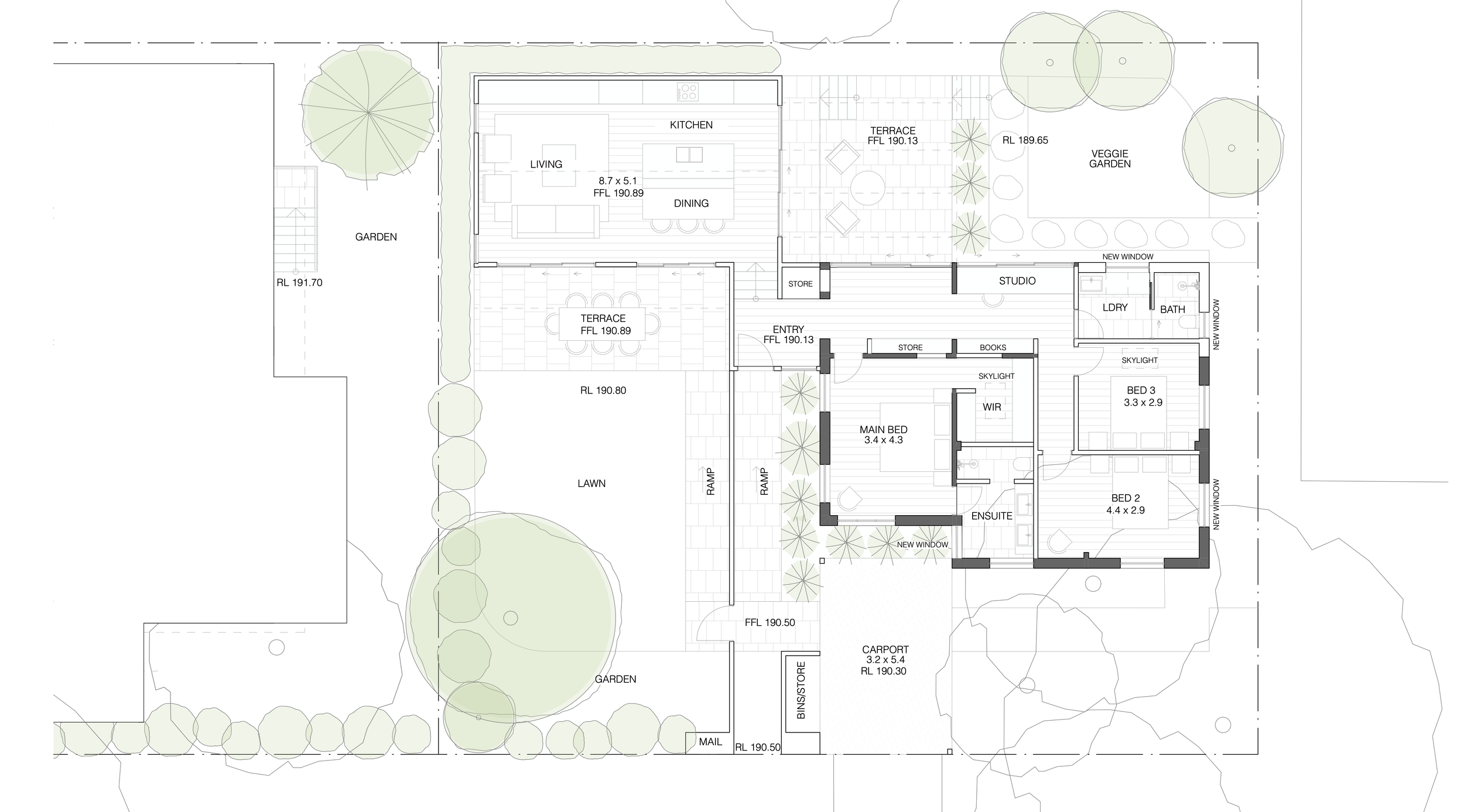
Mount Ku-Ring-Gai Dual Occupancy - Combines the the 1920’s original cottage with a new living pavilion
A More Flexible Planning Pathway
Planning approval is an important part of any project, and one where alterations and additions can often offer an advantage.
Many older homes were built under previous planning controls that differ from today’s requirements. When working with these homes, there is often an opportunity to retain elements that may not comply with current standards, while building upon an existing approved framework.
Alterations and additions are typically assessed in the context of what already exists. This can allow for a more flexible and considered outcome, particularly in established suburbs where planning controls have evolved over time.
Retaining Character and Identity
Homes are not just buildings. They carry memory, character, and a sense of place.
Alterations and additions allow you to retain elements that give the home its identity, while building continuity between old and new. This can result in a more layered and meaningful outcome.
For many clients, this connection is an important part of what makes a house feel like home.
Bringing Old and New Together
One of the strengths of alterations and additions is the opportunity to create a dialogue between existing and new elements.
Rather than trying to replicate the original house, a more considered approach is often to clearly differentiate between old and new. This can be expressed through changes in material, form, or detailing.
In this way, the existing home is respected for what it is, while the new work brings a sense of clarity and contemporary character. The contrast between the two can create a more layered and interesting outcome.
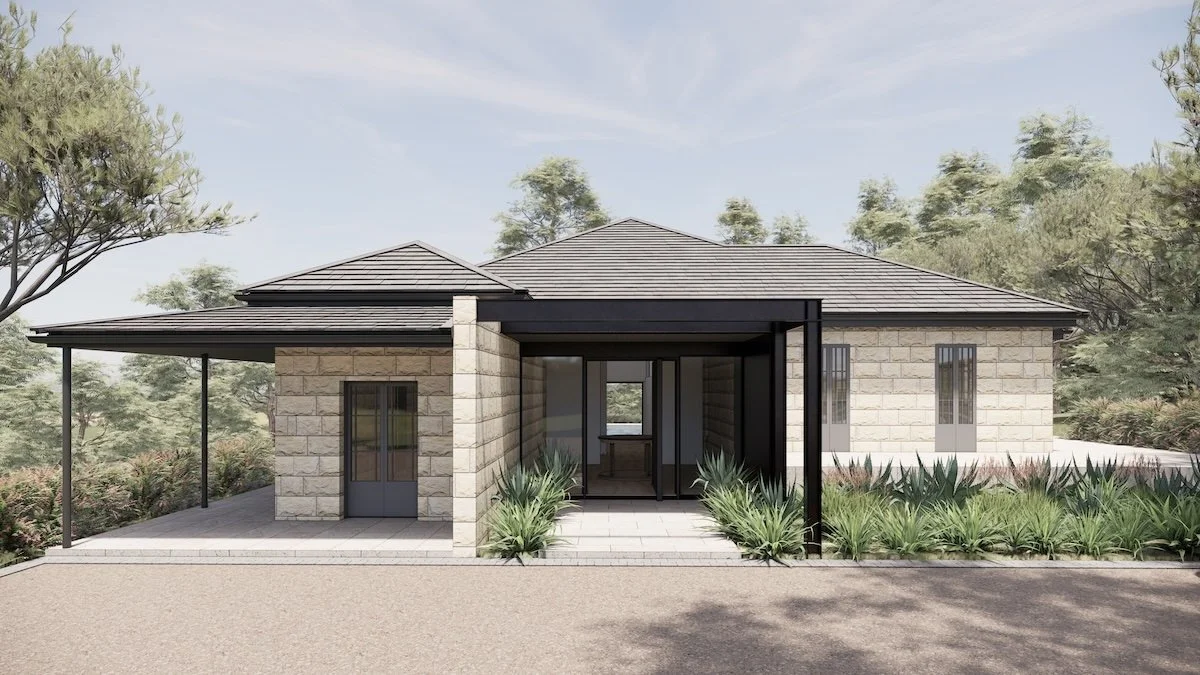
Galston House - New modern entry to a retained 1920s sandstone cottage
A Different Way of Thinking About Change
Choosing to renovate is not about compromise. It is about working intelligently with what already exists.
It requires a more considered approach, but it can lead to outcomes that are more tailored, more connected to the site, more sustainable, and more aligned with how you live.
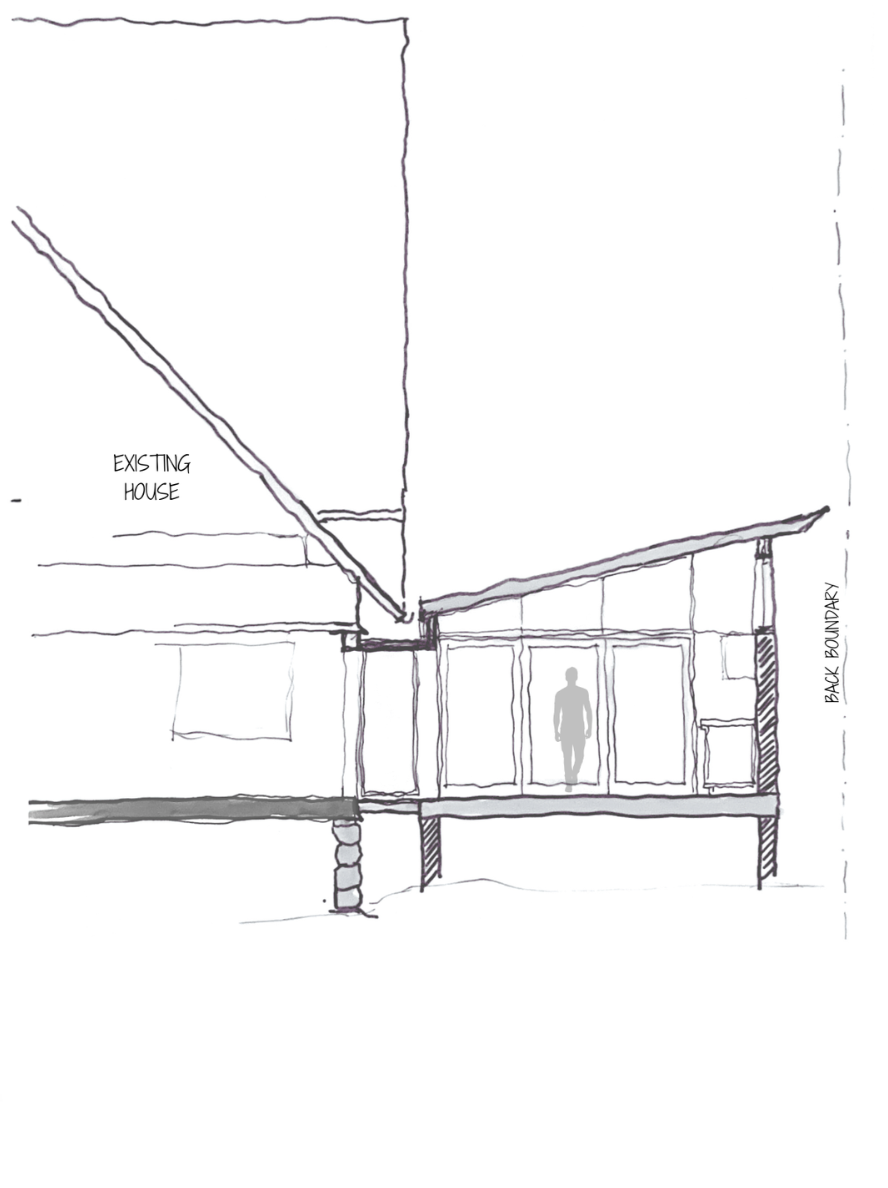
How We Approach Alterations and Additions
At Elo Architecture, we see alterations and additions as an opportunity to transform a home in a way that feels both natural and intentional.
We begin by understanding what is worth keeping, and then build on that. New spaces are carefully shaped to enhance how the home functions and feels, creating a cohesive and considered result.
During the concept stage, we often prepare a master plan that outlines how the project can be developed over time, including potential staging and the cost of each phase. This provides a clear long-term direction, allowing decisions to be made with confidence and avoiding a series of disconnected changes over time.
Final Thoughts
In many cases, the best solution is not to start again, but to rethink what is already there.
Alterations and additions offer a way to create a home that is more considered, more efficient, and more connected to its surroundings.
If you are thinking about transforming your home, we can help you explore its potential and guide you through the process.