
Alterations and Additions Architects | Sydney
Alterations and additions can be one of the most rewarding ways to transform a home, but the right approach is not always obvious at the outset. Many homeowners come to us considering a renovation or extension, unsure whether to work with what they have or rebuild entirely.
At Elo Architecture, we work with homeowners across Sydney, particularly in the North Shore and Northern Beaches, to explore thoughtful alterations and additions that improve light, flow and liveability while making the most of what already exists.
Should you renovate, extend or rebuild?
One of the most common questions we hear is whether an existing home is worth keeping.
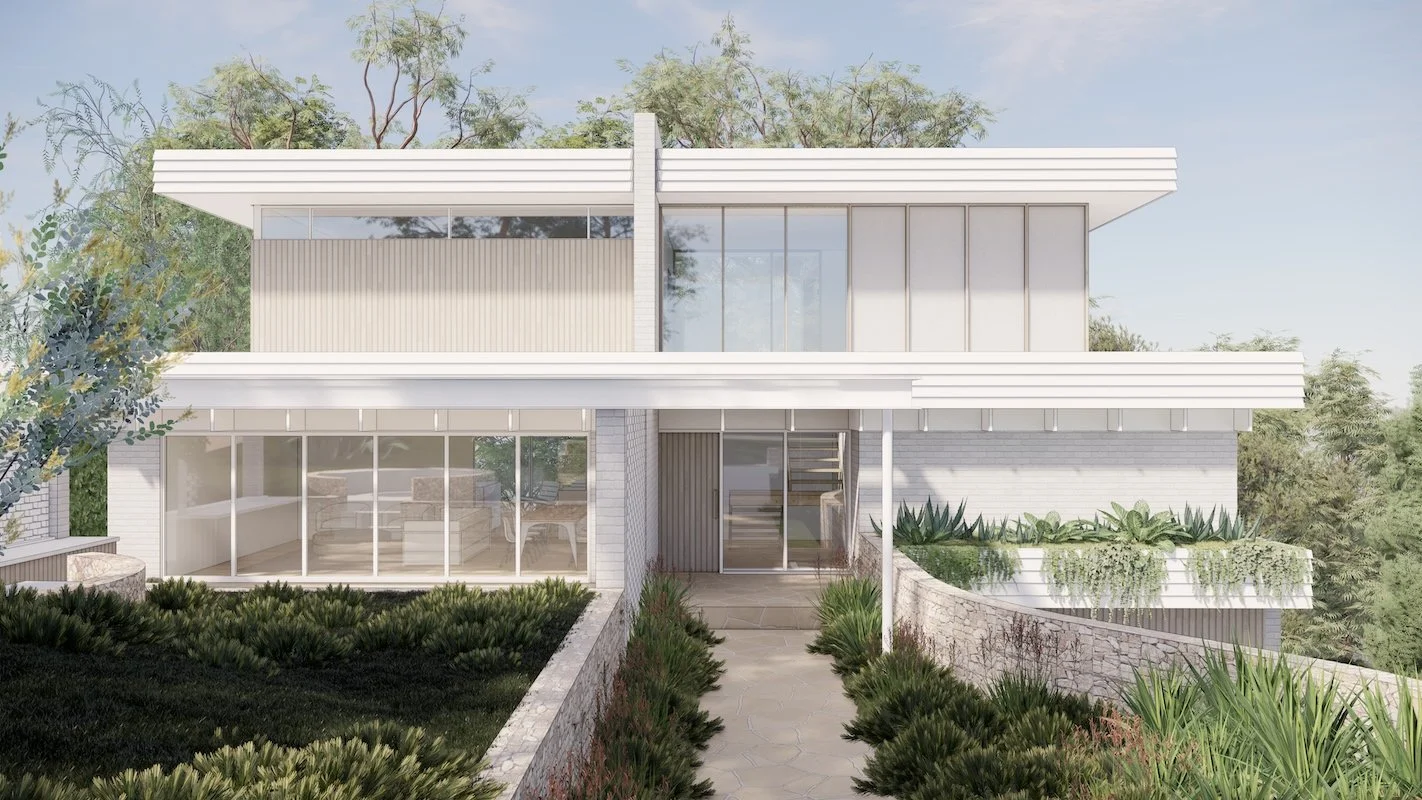
In many cases, the answer is yes. While some homes are better suited to a full rebuild, others offer real value in what already exists. A solid structure, an established garden, a familiar relationship to the site, or parts of the home that already work well can all become the foundation for something much better.
Alterations and additions are not about holding onto everything. They are about understanding what is worth retaining, what should change, and how to create a home that feels more generous, functional and connected to the way you live.
Why homeowners choose alterations and additions
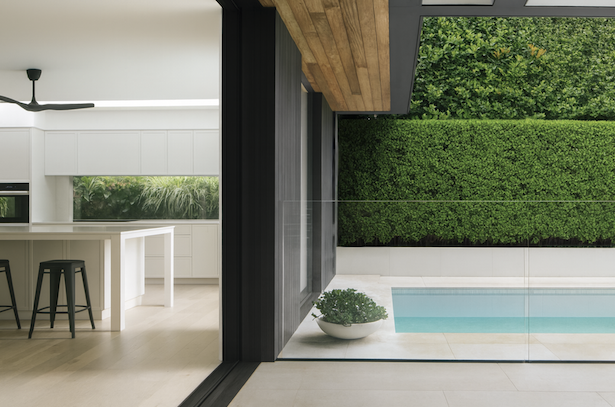
For many families, a full rebuild is not the only or best answer. A well-considered renovation or extension can offer meaningful transformation while making better use of what is already there.
Reasons clients often choose this path include:
Retaining character and identity
Improving layout, light and connection
Making more strategic use of budget
Reducing demolition waste and retaining embodied energy
Staging works over time if needed
Working within an existing planning framework
A successful alteration or addition should feel cohesive and intentional — not like a compromised version of a new house.
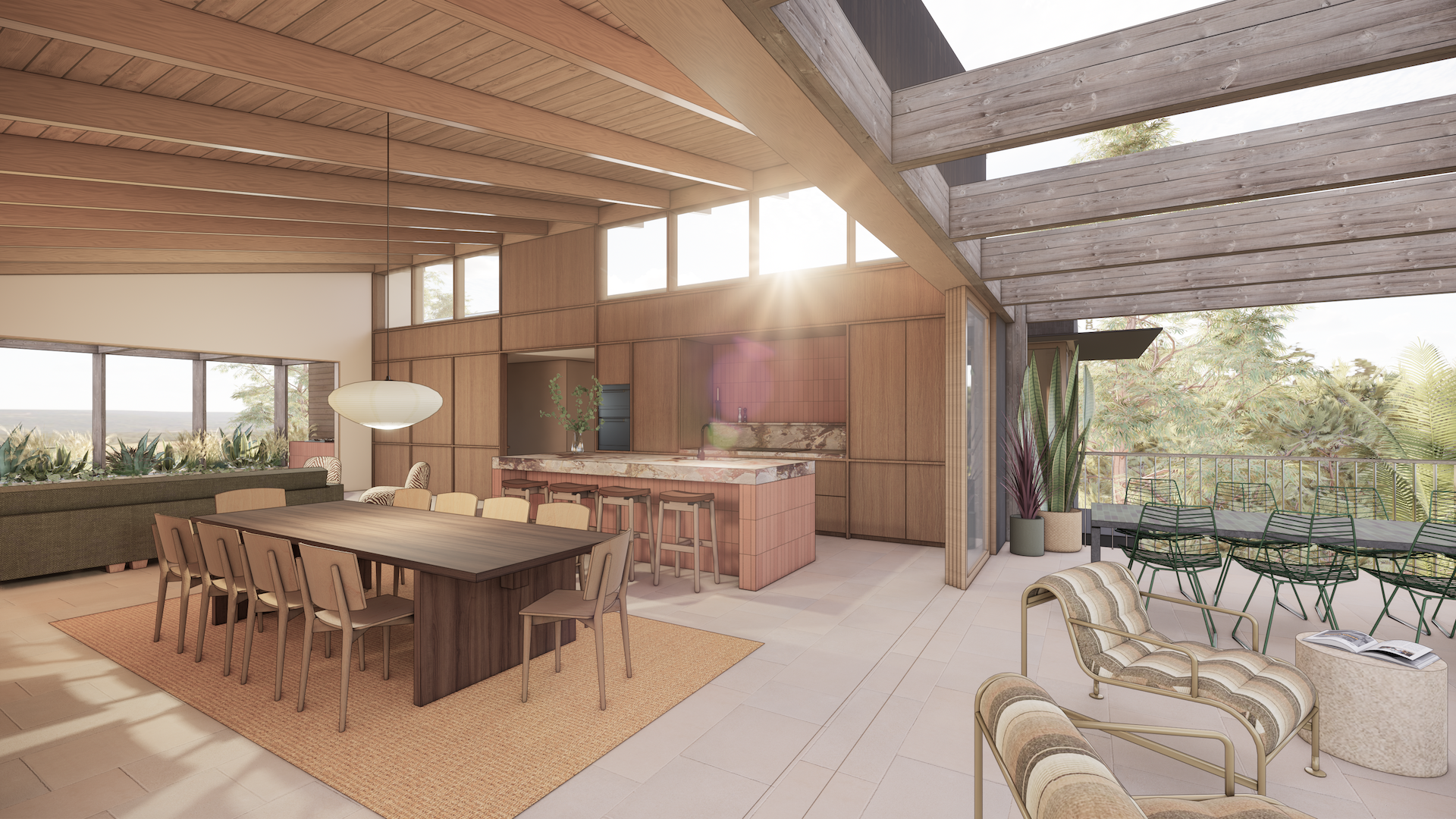
What makes a successful alteration or addition?
The best outcomes are rarely about adding the most area. They come from understanding how the home currently works, where the friction points are, and where focused changes can make the biggest difference.
That might involve:
Reworking living spaces for better flow
Improving connection between house and garden
Introducing more natural light and volume
Adding a new pavilion or upper level
Retaining private areas that already function well
Creating a clearer relationship between existing and new elements
In some homes, small interventions can be surprisingly powerful. In others, a larger addition is needed. The key is making those decisions deliberately, rather than assuming everything needs to be demolished or everything needs to stay.
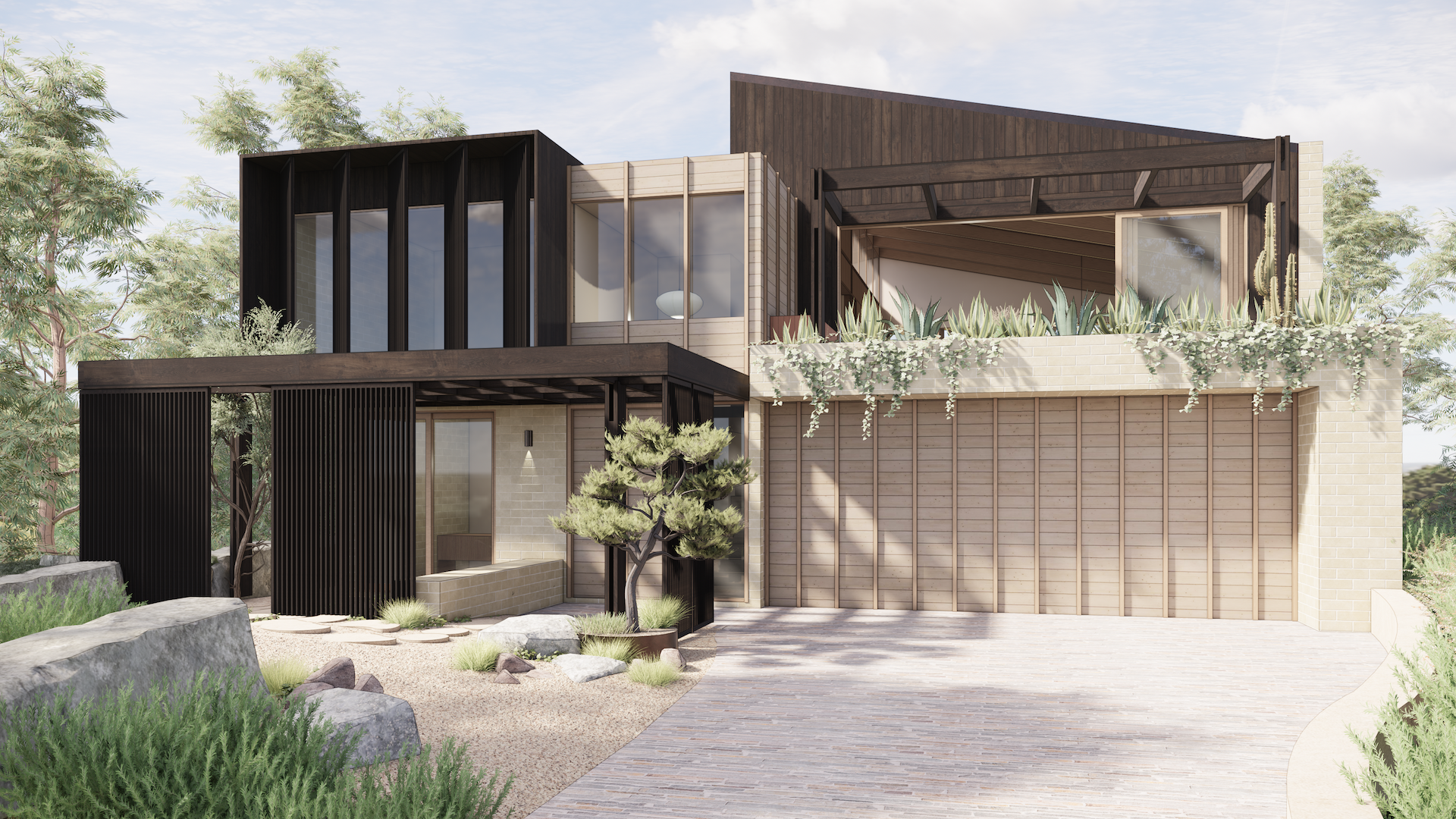
Alterations and additions on complex sites
Some of the most rewarding renovation projects are also the most constrained.
We regularly work with homes on sloping sites, bushfire-prone land, and established suburban lots where planning, access, and existing conditions all shape what is achievable. These factors do not prevent good design, but they do need to be understood early.
In many cases, the complexity is not immediately visible. Planning controls, levels, setbacks, overlooking, and compliance requirements often interact, meaning decisions in one area can affect the entire project.
Early architectural input helps bring these factors together, testing design opportunities alongside planning constraints and budget from the outset. This avoids time and cost being spent in the wrong direction and allows the project to move forward with clarity.
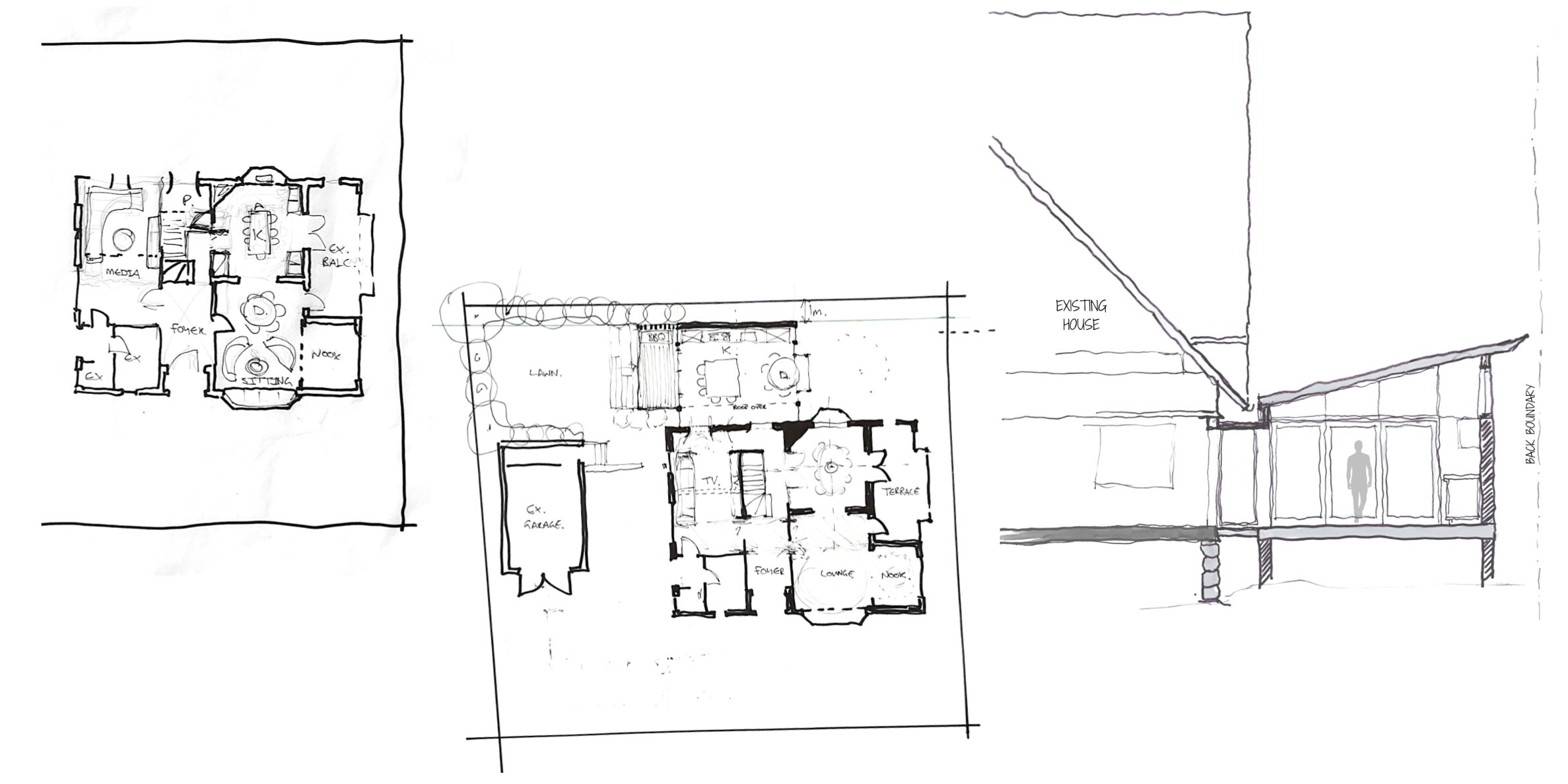
Our approach
At Elo Architecture, we see alterations and additions as an opportunity to create homes that feel more connected, more generous and more aligned with everyday life.
Our approach considers:
How the home currently works and where it falls short
What is worth retaining and what should change
How old and new can sit together with clarity
How to improve light, circulation and liveability
How to design within planning and site constraints
How to align scope with budget and long-term priorities
We are particularly interested in homes where thoughtful design can unlock potential rather than simply replace what is there.
What happens next
If you are considering alterations and additions and would like clarity around what is possible, the next step is a conversation.
This initial discussion allows us to understand your home, site and goals, and to talk through whether a renovation, extension or rebuild is likely to be the right path.
There is no obligation. The aim is simply to bring clarity early, so decisions feel informed and the process ahead feels more grounded.
Get in touch via the enquiry form to arrange an initial conversation.
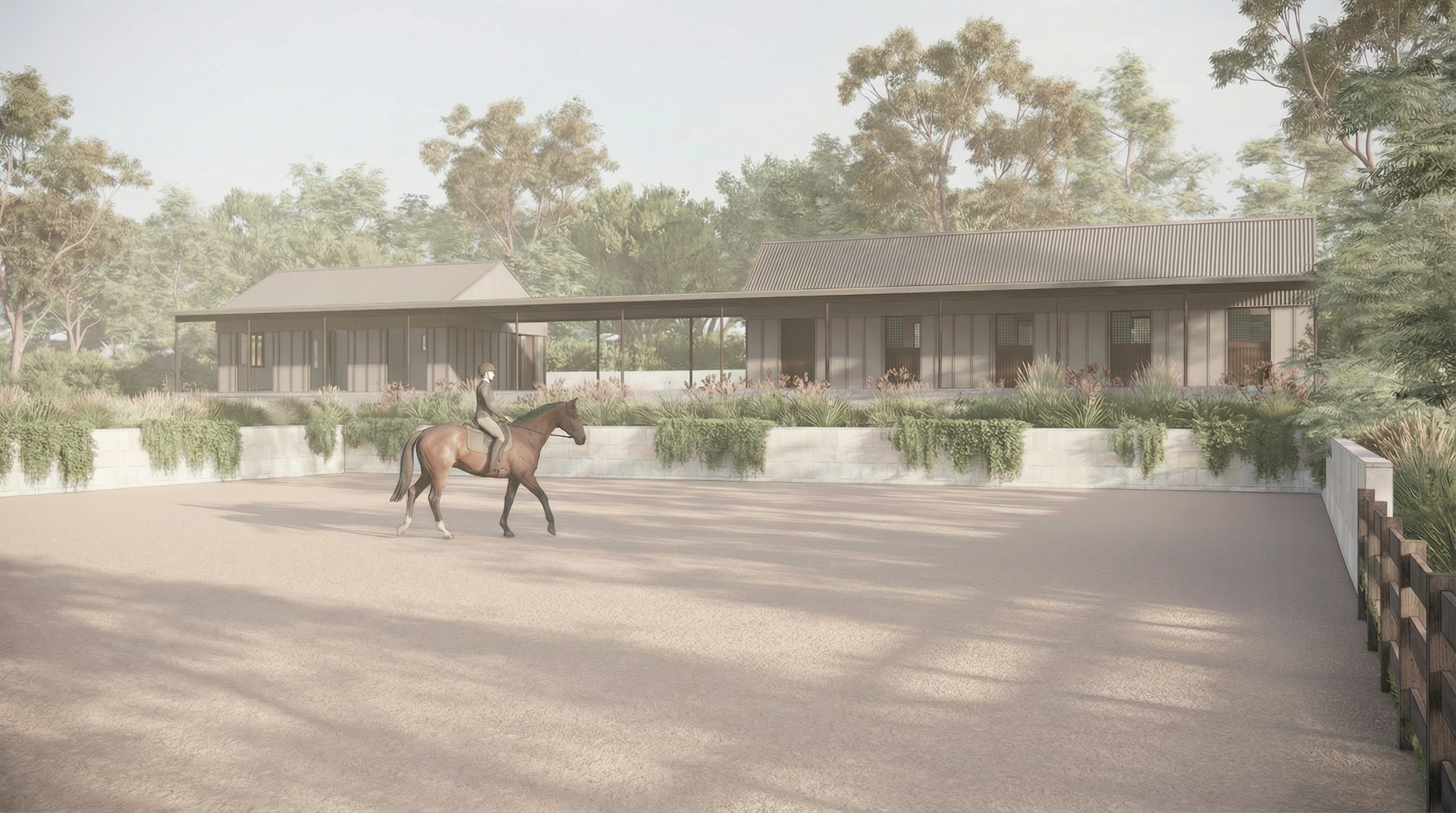
Read our Related Articles:
Questions We’re Often Asked
-
Alterations and additions involve changing and expanding an existing home rather than replacing it entirely. This may include reconfiguring internal spaces, extending the ground floor, adding a new level, or introducing a separate pavilion or wing.
-
It depends on the home, site, budget and your long-term goals. Some homes are well suited to renovation, especially where parts of the existing structure work well or the house has character worth retaining. Others may be better suited to rebuilding if the layout, structure or planning constraints make alteration inefficient.
-
Not always. Renovating can be more cost-effective where the existing home has good bones and the scope is focused. Rebuilding may offer better value where extensive structural upgrades or major rectification would otherwise be required. The right answer depends on the specifics of the project.
-
Many do, although some minor works may be possible under exempt or complying pathways. Larger projects are often subject to planning assessment, particularly where setbacks, height, heritage, trees, privacy or bushfire constraints apply.
-
Yes, and for many families this is one of the main benefits of alterations and additions. Extending can allow you to stay in a location you love while improving how the home functions for your current and future needs.
-
Yes. This is often one of the most valuable parts of early architectural advice. Through our Design Discovery service, we can help assess your home, site constraints, planning context and design opportunities so you can move forward with greater confidence.
-
Yes. We regularly work on projects affected by slope, bushfire constraints, planning sensitivity and complex existing conditions. These factors often shape renovation projects significantly and are best considered early.
-
Ideally before committing to a design direction, builder or approval pathway. Early advice helps clarify what is feasible, what is worth retaining and where your budget is likely to have the most impact.
Many homes have more potential than first meets the eye. Learn how alterations and additions can transform your home through better layout, light and connection, offering a smarter and more sustainable alternative to rebuilding.